
Disclosure: This article contains affiliate links. As an Amazon Associate, we earn from qualifying purchases at no extra cost to you.
What’s the Best Smart Thermostat for Maximizing Energy Savings in Winter?
When it comes to maximizing energy savings during the chilly winter months, the best smart thermostat isn’t a one-size-fits-all answer, but rather a blend of advanced technology and intelligent features tailored to your home and lifestyle. While several excellent options exist, the **Ecobee SmartThermostat Premium** and the **Google Nest Learning Thermostat** consistently stand out as top contenders due to their advanced learning capabilities, comprehensive sensor networks, and robust energy reporting, which collectively empower homeowners to significantly reduce heating costs. The **Honeywell Home T10 Pro Smart Thermostat** also presents a compelling choice, especially for those seeking enhanced room-level control through remote sensors. These devices go far beyond basic programmable thermostats, using sophisticated algorithms, occupancy detection, and remote access to ensure your home is only heated when and where it’s truly needed, preventing energy waste and keeping your utility bills in check.
Why a Smart Thermostat is Your Winter Energy-Saving Ally
The winter season often brings a spike in heating bills, as furnaces work overtime to keep homes warm. Traditional thermostats offer limited control, often leading to wasted energy from heating empty rooms or maintaining an unnecessarily high temperature. Smart thermostats revolutionize this by introducing intelligence and automation into your heating strategy. They learn your habits, respond to your presence, and even adapt to external factors like weather conditions, all with the goal of optimizing comfort while minimizing energy consumption. By taking control of your heating schedule with precision and insight, a smart thermostat becomes an indispensable tool in your quest for a warmer home and a lighter energy bill.
Key Features for Maximizing Winter Energy Savings
Understanding the specific features that contribute most to energy savings is crucial when selecting your smart thermostat. Look for these functionalities:
-
Smart Scheduling and Learning Algorithms
This is the cornerstone of energy savings. The best smart thermostats don’t just follow a pre-set schedule; they learn from your adjustments and daily routines to create an optimized schedule automatically. They recognize patterns – when you wake up, leave for work, return home, and go to bed – and adjust the temperature accordingly. Some can even adapt to seasonal changes or predict optimal heating times based on weather forecasts.
-
Geofencing Capabilities
Geofencing uses the location of your smartphone to determine if you’re home or away. When you leave a predefined perimeter around your house, the thermostat automatically sets back the temperature to an energy-saving level. As you approach home, it begins reheating your house, ensuring it’s comfortable by the time you walk through the door. This eliminates the need to manually adjust the thermostat every time you leave or return, preventing wasted energy when no one is home.
-
Remote Sensors for Zoned Comfort
Many homes have hot and cold spots, or rooms that are used more frequently than others. A thermostat typically measures the temperature only at its installed location. Remote sensors, placed in different rooms, allow the smart thermostat to get a more accurate picture of your home’s overall temperature or to prioritize comfort in specific occupied rooms, avoiding heating unoccupied areas unnecessarily.
-
Energy Reports and Insights
Knowledge is power, especially when it comes to energy consumption. Top smart thermostats provide detailed reports on your heating usage, showing you when your furnace was running, what temperatures were maintained, and how much energy you’re consuming. These insights help you understand your energy patterns, identify areas for improvement, and quantify your savings.
-
HVAC System Monitoring and Alerts
An inefficient or malfunctioning HVAC system can drastically increase your energy bills. Some advanced smart thermostats can monitor your furnace’s performance, detect potential issues, and even send you alerts or reminders for maintenance, helping you keep your system running optimally and preventing costly breakdowns.
-
Integration with Other Smart Home Systems
A smart thermostat that integrates smoothly with other smart home devices, such as smart lights or door sensors, can enhance energy savings. For example, if a door sensor detects an open window, the thermostat could pause heating to prevent energy waste.
Top Contenders for Winter Energy Savings
Let’s explore into the specifics of the leading smart thermostats that excel in helping you save energy during winter.
Ecobee SmartThermostat Premium
The Ecobee SmartThermostat Premium is a powerhouse for energy efficiency, largely thanks to its included SmartSensor technology. These wireless sensors detect both temperature and occupancy, allowing the thermostat to prioritize comfort in the rooms you’re actively using. This means your heating system works smarter, not harder, by focusing its efforts where it matters most, reducing energy spent on empty rooms.
Its “eco+” feature intelligently optimizes your schedule for additional savings during peak utility times, using local weather data and even understanding when you’re sleeping to make subtle, energy-conscious adjustments. The built-in voice assistant functionality adds convenience, allowing for hands-free temperature adjustments. Beyond just temperature, it monitors air quality, providing insights that can help maintain a healthier indoor environment alongside energy efficiency. The intuitive app and comprehensive energy reports offer deep insights into your usage, empowering you to make informed decisions to further reduce your heating footprint.
Google Nest Learning Thermostat
The Google Nest Learning Thermostat is renowned for its elegant design and, more importantly, its powerful self-learning algorithms. Over time, it learns your preferred temperatures at different times of the day and week, automatically building a personalized heating schedule. This “Auto-Schedule” feature is a major driver of energy savings, as it eliminates the guesswork and manual programming often associated with traditional programmable thermostats.
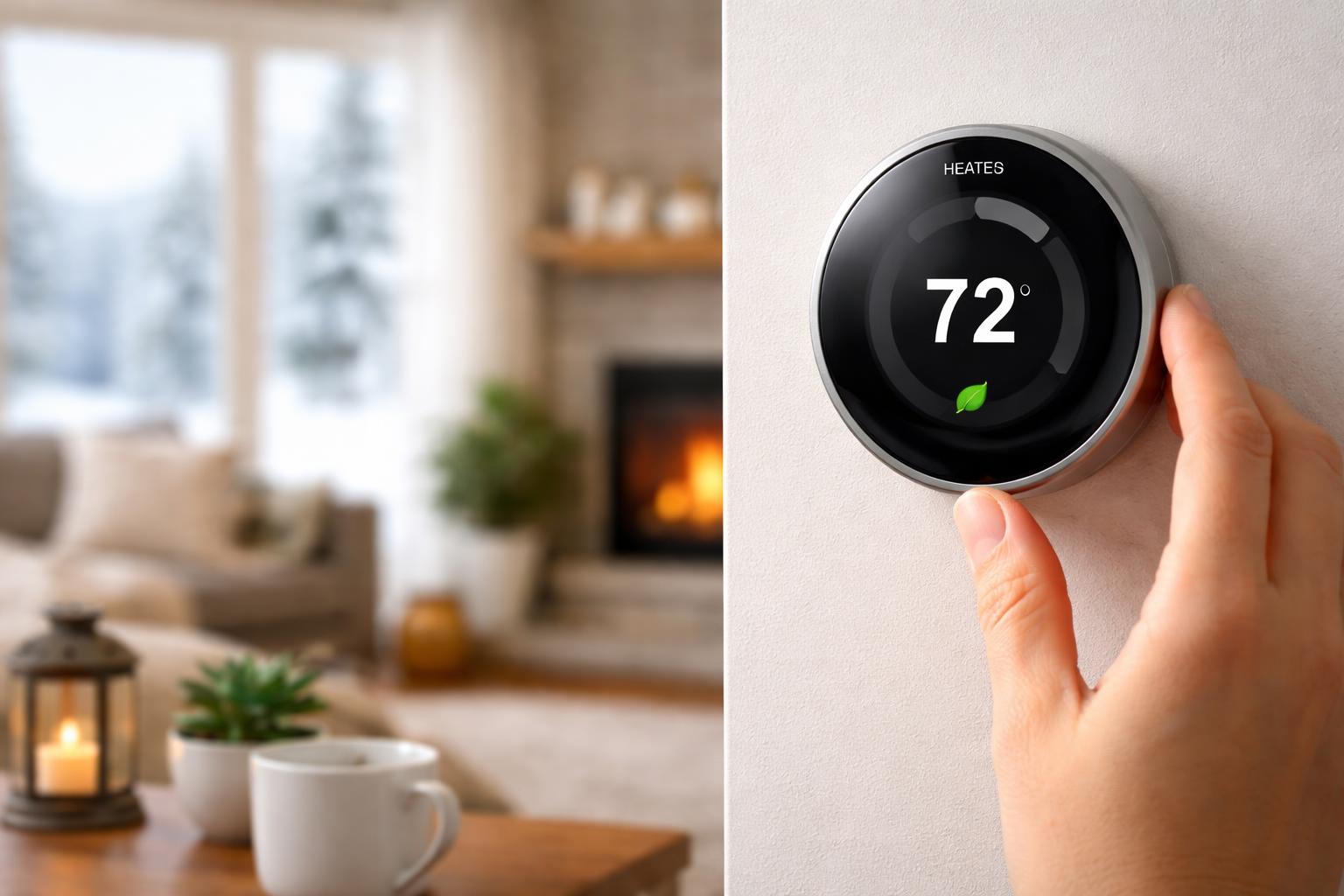
Nest’s Home/Away Assist feature uses geofencing and motion detection to automatically switch to an Eco Temperature when no one is home and return to comfort settings when you arrive, ensuring you’re not heating an empty house. The “leaf” icon appears when you choose an energy-saving temperature, providing instant feedback on your choices. Its Farsight feature lights up to show you the temperature, weather, or time from across the room, adding to its user-friendly appeal. Detailed energy history accessible through the app allows you to track and understand your heating patterns, helping you pinpoint opportunities for further savings.
Honeywell Home T10 Pro Smart Thermostat with RedLINK Room Sensor
The Honeywell Home T10 Pro Smart Thermostat with RedLINK Room Sensor offers a robust solution for zoned comfort and energy savings, particularly appealing for those who appreciate precise temperature control across different areas of their home. Its standout feature is the RedLINK wireless technology, which allows it to connect with multiple room sensors. These sensors can prioritize specific rooms, average temperatures across several sensors, or detect occupancy to ensure heating is directed where people are present.
The T10 Pro supports geofencing, automatically adjusting temperatures when you leave or return home. It integrates with utility demand response programs, allowing you to save money by slightly adjusting your heating during peak demand times. Its clear, intuitive touchscreen and comprehensive app make programming and monitoring simple. For homes with complex HVAC systems or specific room-by-room heating needs, the T10 Pro, with its advanced sensor capabilities, offers a highly effective way to fine-tune your heating for maximum efficiency and comfort.
How Smart Thermostats Maximize Winter Energy Savings
The magic of smart thermostats lies in their ability to dynamically respond to your needs and environment, preventing wasted energy in several key ways:
- Eliminating Guesswork: No more forgetting to turn down the heat before leaving or cranking it up too high when you get cold. Smart thermostats automate these adjustments, ensuring optimal temperatures without constant manual intervention.
- Targeted Heating: With remote sensors, smart thermostats can provide “follow me” heating, ensuring that the room you’re currently occupying is comfortable, rather than heating the entire house equally. This is a powerful tool for homes with varying occupancy patterns or temperature preferences in different areas.
- Preventive Maintenance: Some advanced models can detect unusual heating patterns or alert you to potential HVAC system issues, such as a clogged filter or a failing component. Addressing these problems promptly ensures your system operates at peak efficiency, preventing energy waste and costly repairs down the line.
- Energy Consumption Monitoring: By providing detailed usage reports, smart thermostats empower you to understand your energy habits. Seeing exactly when and how much energy your heating system consumes helps you identify opportunities for further adjustments and verifies the savings you’re achieving.
- Integration with Utility Programs: Many utility companies offer rebates or participate in demand response programs that integrate with smart thermostats. By allowing your utility to make small, temporary adjustments to your thermostat during peak energy demand, you can earn credits or discounts on your bill.
Comparison of Top Smart Thermostats for Energy Savings
Here’s a quick comparison of the three leading options, highlighting their key features for winter energy savings:
| Feature | Ecobee SmartThermostat Premium | Google Nest Learning Thermostat | Honeywell Home T10 Pro (with RedLINK Sensor) |
|---|---|---|---|
| Learning Capability | Advanced eco+ and scheduling based on occupancy/weather | Self-learning Auto-Schedule | Programmable, but enhanced by sensor data |
| Room Sensors | Included SmartSensor for occupancy/temp (multiple supported) | Available as separate accessory (Nest Temperature Sensor) | RedLINK Room Sensor for precise zoned control (multiple supported) |
| Geofencing | Yes | Yes (Home/Away Assist) | Yes |
| Voice Assistant (Built-in) | Alexa built-in, compatible with Google Assistant | Compatible with Google Assistant, Alexa | Compatible with Google Assistant, Alexa |
| Energy Reports | Detailed monthly reports & insights | Energy History & monthly reports | App-based reporting & usage data |
| HVAC Monitoring/Alerts | Yes | Yes (furnace filter reminders, system alerts) | Yes (filter reminders, system alerts) |
Installation and Compatibility Considerations
Before committing to a smart thermostat, it’s essential to consider your home’s existing setup. Most smart thermostats require a “C-wire” (common wire) to provide continuous power. If your current thermostat doesn’t have a C-wire, some smart thermostats offer workarounds (like power extenders included in the box), or you might need to consult an electrician for installation.
Compatibility with your specific HVAC system is also crucial. Most smart thermostats work with conventional single-stage and multi-stage systems, as well as heat pumps. However, if you have a more complex or older system, always double-check the thermostat’s compatibility list or consult with an HVAC professional. While many smart thermostats are designed for DIY installation, professional installation is often available and can ensure optimal performance and proper integration with your heating system.
Beyond the Thermostat: Holistic Smart Home Savings
While a smart thermostat is a powerful tool for reducing heating costs, it’s just one component of a truly energy-efficient smart home. Integrating your thermostat with other smart devices can amplify your savings. For example, smart lighting can ensure lights are off when rooms are empty, and smart plugs can cut power to electronics when not in use. Thinking holistically about your home’s energy consumption can lead to even greater savings and convenience. If you’re looking to expand your smart home setup, check out our guide on Smart Home Automation for Beginners: A Complete Checklist for 2026 for more ideas on how to connect your devices and maximize efficiency.
Tips for Maximizing Savings with Your Smart Thermostat
Simply installing a smart thermostat isn’t enough; you need to leverage its features effectively:
- Utilize Geofencing: Ensure your geofencing settings are active and accurately reflect your home perimeter to maximize away-from-home savings.
- Place Sensors Strategically: If your thermostat uses remote sensors, place them in the most frequently used rooms or areas prone to temperature fluctuations for the most accurate readings and targeted heating.
- Review Energy Reports: Regularly check your thermostat’s energy reports and insights to understand your usage patterns and identify potential areas for further adjustment.
- Participate in Utility Programs: Check with your local energy provider for demand response programs or rebates related to smart thermostat ownership.
- Maintain Your HVAC System: A well-maintained furnace operates more efficiently. Use your smart thermostat’s maintenance reminders to keep your system in top shape.
- Set Reasonable Setbacks: While it’s tempting to drastically lower the temperature when you’re away, ensure the setback isn’t so severe that your system struggles to reheat, which can sometimes use more energy than a slightly higher setback.
FAQ Section
Do smart thermostats really save money on heating bills?
Yes, absolutely. Studies and user experiences consistently show that smart thermostats can lead to significant energy savings, often between 10-15% on heating costs. This is achieved through features like smart scheduling, geofencing, remote sensors for zoned heating, and energy reporting that help eliminate wasteful heating.
How long does it take for a smart thermostat to pay for itself?
The payback period for a smart thermostat varies depending on your climate, existing energy habits, and energy rates. However, with typical savings of 10-15% on heating costs, many users find that the thermostat pays for itself within one to two heating seasons.
Are smart thermostats hard to install?
For many homeowners, smart thermostats are designed for DIY installation and come with clear instructions. However, factors like the presence of a C-wire, the complexity of your HVAC system, and your comfort level with basic wiring can influence the difficulty. If in doubt, professional installation services are readily available.
What is a C-wire and do I need one?
A C-wire (common wire) provides continuous power to your smart thermostat, which is essential for its advanced features like Wi-Fi connectivity and screen backlighting. Most smart thermostats require a C-wire. If your current thermostat doesn’t have one, some smart thermostats include a power extender kit as a workaround, or you might need an electrician to install one.
Can I control my smart thermostat from anywhere?
Yes, one of the primary benefits of a smart thermostat is its ability to be controlled remotely via a smartphone app. As long as your thermostat is connected to your home’s Wi-Fi and you have an internet connection on your phone, you can adjust settings, view energy reports, and manage your heating from virtually anywhere in the world.
Conclusion
Choosing the best smart thermostat for maximizing energy savings in winter is an investment that pays dividends in comfort and reduced utility bills. While the Ecobee SmartThermostat Premium, Google Nest Learning Thermostat, and Honeywell Home T10 Pro with RedLINK Room Sensor each offer unique strengths, they all provide the intelligence and control necessary to take charge of your home’s heating. By understanding their features and leveraging them effectively, you can ensure your home stays cozy without breaking the bank, making winter a little warmer and a lot more energy-efficient.