
Disclosure: This article contains affiliate links. As an Amazon Associate, we earn from qualifying purchases at no extra cost to you.
Are Smart Thermostats Worth It for Your Apartment? A Beginner’s Guide to Benefits & Drawbacks
Yes, smart thermostats can absolutely be worth it for your apartment, offering significant benefits in comfort, energy savings, and convenience, even if you don’t own the property. While there are a few considerations unique to renters, the ability to fine-tune your climate control, save on utility bills, and manage your heating and cooling from anywhere makes them a compelling upgrade for many apartment dwellers looking to enhance their living space. This guide will walk you through everything you need to know, from how they work to the best options and potential drawbacks, helping you decide if a smart thermostat is right for your rental.
Understanding Smart Thermostats: More Than Just a Dial
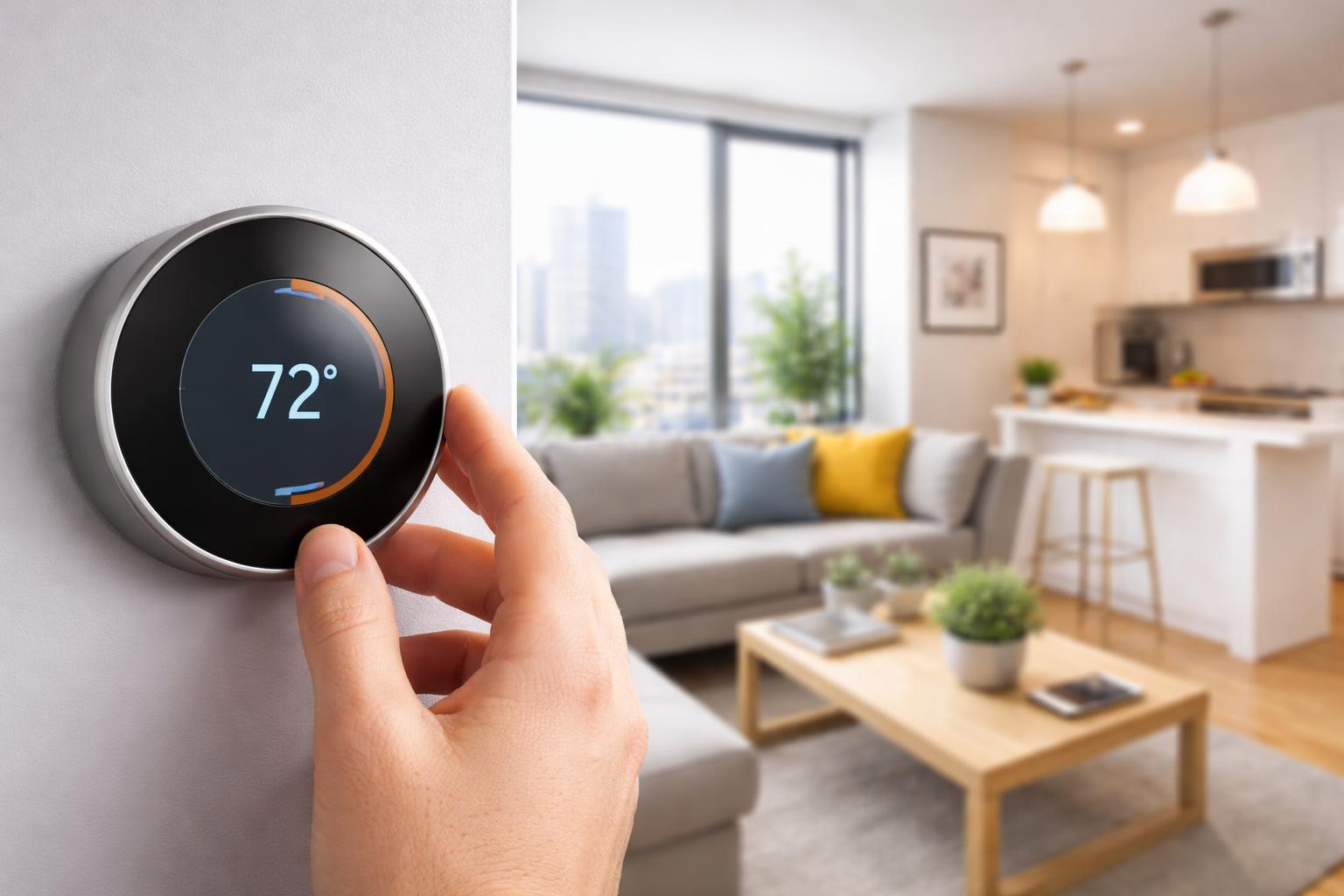
Before diving into the specifics for apartments, let’s briefly clarify what a smart thermostat is. Unlike traditional thermostats that simply turn your HVAC system on and off based on a set temperature, smart thermostats are internet-connected devices packed with intelligent features. They allow you to control your heating and cooling remotely via a smartphone app, learn your preferences over time, incorporate external data like weather forecasts, and even integrate with other smart home devices. This advanced functionality provides a level of control and efficiency that standard thermostats can’t match.
The Benefits of Smart Thermostats for Apartment Dwellers
Even in a rental, the advantages of installing a smart thermostat are numerous.
Enhanced Comfort and Convenience
- Remote Control: Forget to turn down the heat before leaving for work? Heading home early and want to cool things down? With a smart thermostat, you can adjust your apartment’s temperature from anywhere using your smartphone. This means walking into a perfectly comfortable space every time.
- Intelligent Scheduling: Most smart thermostats allow you to create detailed schedules that align with your daily routine. Set it to warm up before you wake up, cool down while you’re at work, and be just right when you return. Some, like the Google Nest Learning Thermostat, can even learn your preferences and build a schedule automatically.
- Geofencing: This clever feature uses your phone’s location to detect when you leave or approach your apartment. The thermostat can automatically adjust the temperature to an energy-saving setting when you’re away and start heating or cooling before you arrive home, ensuring comfort without wasted energy.
- Voice Control Integration: Connect your smart thermostat to virtual assistants like Amazon Alexa or Google Assistant, and you can change the temperature with a simple voice command. “Hey Google, set the thermostat to 72 degrees” adds a layer of hands-free convenience.
Potential Energy Savings
- Reduced HVAC Usage: By optimizing your heating and cooling schedule, smart thermostats ensure your system only runs when needed. This prevents common energy waste, like heating an empty apartment all day.
- Detailed Energy Reports: Many smart thermostats provide insights into your energy consumption, often broken down by daily, weekly, or monthly usage. This data can help you identify patterns and make more informed decisions to further reduce your energy footprint and utility bills.
- Smart Sensors: Some advanced models, such as the ecobee Smart Thermostat Premium, come with remote sensors that can be placed in different rooms. These sensors detect occupancy and temperature disparities, ensuring that the rooms you use most are always comfortable, avoiding over-heating or over-cooling unused areas.
Improved Indoor Air Quality (with select models)
- Certain smart thermostats offer features to monitor and manage indoor air quality, such as humidity levels. Some can even remind you when it’s time to change your HVAC filter, ensuring your system runs efficiently and your air remains cleaner.
Drawbacks and Considerations for Renters
While the benefits are clear, apartment dwellers face unique challenges and considerations when installing a smart thermostat.
Landlord Approval and Installation
- Permission is Key: The most significant hurdle for renters is often getting permission from your landlord or property management. Smart thermostats typically require connecting common wires (C-wire) and careful installation. Modifying permanent fixtures without permission could violate your lease agreement. Always check your lease and speak with your landlord first.
- Installation Complexity: While many smart thermostats are designed for DIY installation, some older apartment buildings may have outdated wiring (e.g., no C-wire), which can complicate the process or require professional assistance. If professional installation is needed, your landlord will likely need to approve it.
- Reversibility: When you move out, you’ll likely want to take your smart thermostat with you. This means you’ll need to reinstall the original thermostat, so keep it safe! Ensure the installation is reversible without causing any damage.
Compatibility with HVAC Systems
- System Type: Smart thermostats are compatible with most conventional and heat pump systems, but it’s crucial to check your specific HVAC setup. Some apartments, especially older ones, might have unique systems (e.g., fan coil units, radiant heating) that are not universally supported by all smart thermostats.
- Wiring Requirements: As mentioned, the absence of a C-wire is a common issue in older apartments. While some smart thermostats can operate without one (often using a power extender kit or internal battery), having a C-wire generally ensures more stable performance.
Return on Investment (ROI) in a Rental
- Since you don’t own the property, the long-term ROI on energy savings might be less impactful than for a homeowner. However, the enhanced comfort and convenience can still make it a worthwhile investment for your quality of life during your tenancy.
Key Features to Look For in a Smart Thermostat for Your Apartment
When choosing a smart thermostat, especially for an apartment, prioritize these features:
- Ease of Installation & C-wire Solutions: Look for models that are simple to install and offer solutions for homes without a C-wire, like a power extender kit. The Honeywell Home T5 Smart Thermostat is often praised for its relatively simple setup.
- Remote Control & Scheduling: These are fundamental features for convenience and energy management.
- Geofencing: A must-have for busy individuals or those with unpredictable schedules, automatically saving energy when you’re out.
- Compatibility with Your Smart Home Ecosystem: If you already use Amazon Alexa, Google Assistant, or Apple HomeKit, choose a thermostat that integrates smoothly. This helps you build a cohesive smart home experience. If you’re looking to expand your smart home, you might find our Smart Home Automation for Beginners: A Complete Checklist helpful.
- Learning Capabilities: Thermostats like the Google Nest Learning Thermostat can learn your routines and adjust automatically, simplifying energy management without constant manual input.
- Room Sensors: For apartments with hot or cold spots, remote sensors (like those offered by ecobee) can significantly improve comfort by averaging temperatures across different rooms or prioritizing comfort in occupied areas.
- Data Reporting: Energy usage reports help you understand and optimize your consumption.
Popular Smart Thermostat Options for Apartments
Here are a few leading models commonly considered by apartment dwellers:
Google Nest Learning Thermostat: Known for its intuitive learning capabilities, sleek design, and geofencing features. It learns your schedule and preferences, automatically creating an energy-saving program. Installation is generally simple, though it often benefits from a C-wire.
ecobee Smart Thermostat Premium: A feature-rich option that comes with remote sensors. These sensors detect occupancy and temperature, allowing the thermostat to prioritize comfort in the rooms that matter most. It offers extensive scheduling options, clear energy reports, and strong voice assistant integration.
Honeywell Home T5 Smart Thermostat: A solid, reliable choice that balances advanced features with ease of use. It supports geofencing, flexible scheduling, and connects with major smart home platforms. It’s often seen as a good entry-level smart thermostat due to its simpler interface and relatively easy installation process.
Comparison Table: Smart Thermostats for Apartment Living
To help you visualize the differences, here’s a comparison of key features relevant to apartment renters:
| Feature | Google Nest Learning Thermostat | ecobee Smart Thermostat Premium | Honeywell Home T5 Smart Thermostat |
|---|---|---|---|
| Learning Capability | Yes, learns your schedule automatically | Advanced scheduling, not ‘learning’ in the Nest sense, but highly customizable | Programmable scheduling, no learning feature |
| Remote Sensors Included | No (optional accessories) | Yes, 1 included (additional optional) | No (optional accessories) |
| Geofencing | Yes | Yes | Yes |
| Smart Home Integration | Google Home, Alexa, others | Alexa, Google Home, Apple HomeKit, others | Alexa, Google Home, SmartThings, IFTTT |
| C-Wire Required | Often recommended, can work without with a power adapter in some cases | Recommended for optimal performance; power extender kit included if needed | Yes, C-wire usually required or power extender kit needed |
| Design | Sleek, iconic dial | Modern touchscreen | Simple, functional touchscreen |
| Energy Reporting | Yes | Yes | Yes |
Installation and Compatibility for Renters
1. Check Your Existing Thermostat: Before buying, take a picture of your current thermostat’s wiring. This will help you determine compatibility with smart models and if you have a C-wire. Most smart thermostat manufacturers have compatibility checkers on their websites.
2. Discuss with Your Landlord: This step cannot be stressed enough. Explain the benefits (potential energy savings, improved comfort), emphasize that installation is reversible, and offer to have a professional do it if necessary. Get written permission if possible.
3. DIY vs. Professional Installation: If you get the go-ahead, many smart thermostats are designed for DIY installation, usually involving just a few wires. However, if your wiring is complex, you lack a C-wire, or you’re simply uncomfortable with electrical work, hiring a professional HVAC technician is always the safest bet.
4. Keep Original Thermostat: Store your apartment’s original thermostat in a safe place. You’ll need to reinstall it when you move out to avoid lease violations or potential charges.
Making the Decision: Is a Smart Thermostat Right for Your Rental?
The decision ultimately comes down to your priorities.
If you value:
- Significantly improved comfort and convenience: Being able to control your climate from anywhere, set intelligent schedules, and walk into a comfortable apartment.
- Potential savings on your monthly energy bill: Especially if you’re diligent about using its smart features.
- Modernizing your living space: Adding a touch of smart home technology to your rental.
Then, a smart thermostat is likely a worthy investment for your apartment.
However, if you’re concerned about:
- Landlord approval: If your landlord is strict about modifications.
- Installation complexity: If your apartment has very old or unusual wiring.
- Short-term tenancy: If you plan to move within a few months, the setup effort might outweigh the brief benefits.
These factors might make you reconsider or opt for a simpler, less invasive smart home solution.
Frequently Asked Questions About Smart Thermostats in Apartments
Q1: Do I need landlord permission to install a smart thermostat in my apartment?
A1: Yes, absolutely. Smart thermostats are typically wired into your apartment’s HVAC system, making them a permanent fixture modification. Always consult your lease agreement and get explicit written permission from your landlord or property management before attempting any installation.
Q2: What if my apartment doesn’t have a C-wire?
A2: Many smart thermostats offer solutions for apartments without a common (C) wire. Some include a power extender kit that can be installed at the HVAC control board, while others can operate on battery power for basic functions. However, a C-wire generally ensures more reliable power and full feature functionality. Always check the specific thermostat’s requirements.
Q3: Can I take my smart thermostat with me when I move out?
A3: Yes, one of the benefits for renters is that smart thermostats are generally designed to be portable. When you move, you simply uninstall the smart thermostat and reinstall the original thermostat that came with the apartment. Make sure to keep the old thermostat in a safe place!
Q4: Will a smart thermostat really save me money on my apartment’s utility bills?
A4: Many users report energy savings, which can range from 10% to 20% or more, depending on your usage habits, climate, and the specific features of your thermostat. By intelligently managing your heating and cooling based on your schedule, occupancy, and preferences, smart thermostats help reduce wasted energy. The actual savings will vary but the potential is certainly there.
Conclusion
Smart thermostats offer a compelling blend of comfort, convenience, and potential energy savings that can significantly enhance apartment living. While securing landlord approval and ensuring compatibility are crucial first steps for renters, the benefits of remote control, intelligent scheduling, and a personalized climate often make the effort worthwhile. By understanding the features available and considering your specific apartment setup, you can confidently decide if a smart thermostat is the smart upgrade your rental needs.