
Disclosure: This article contains affiliate links. As an Amazon Associate, we earn from qualifying purchases at no extra cost to you.
Water Sensor vs. Smart Shut-Off Valve: What’s The Difference And Which Do You Need?
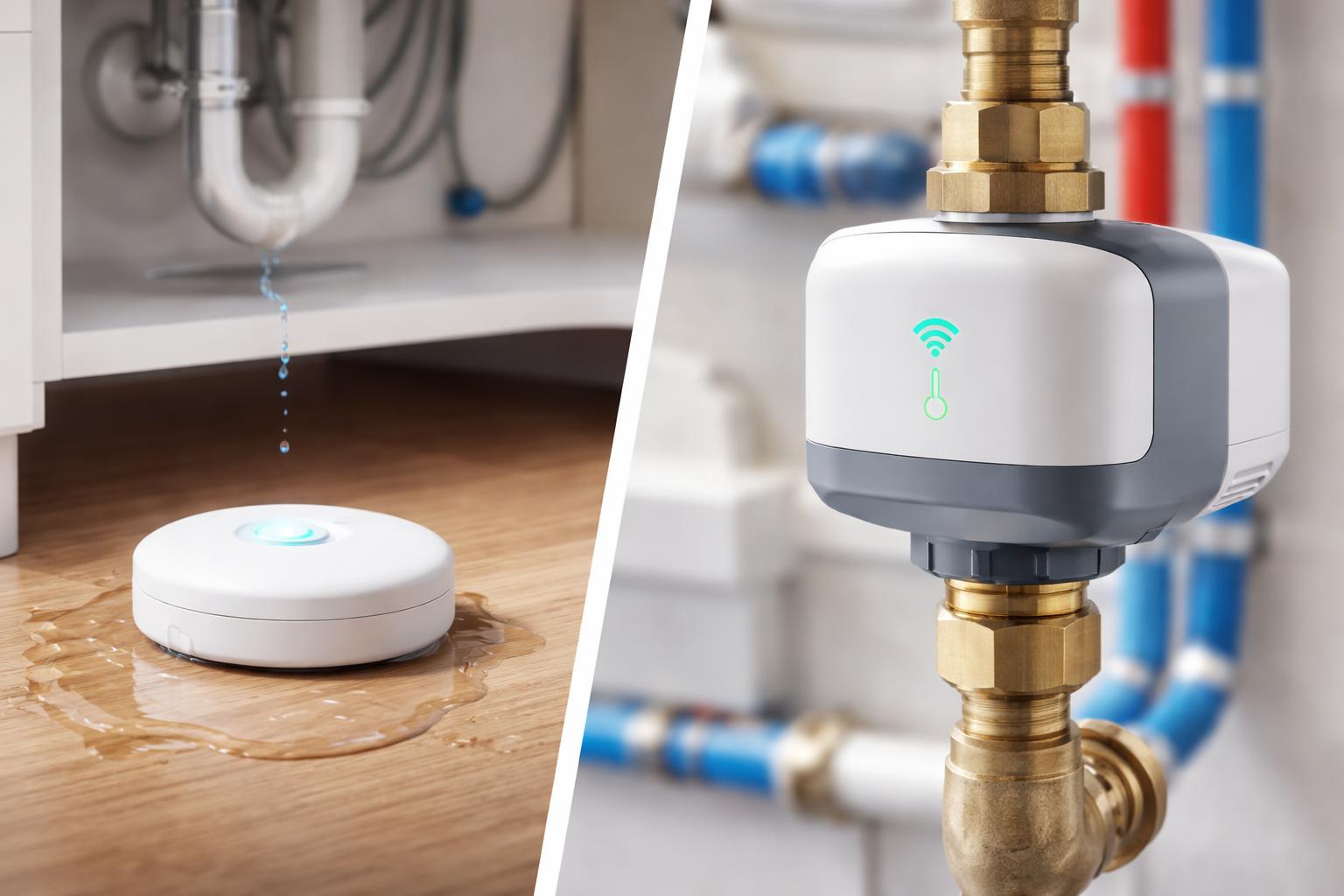
When it comes to protecting your home from devastating water damage, smart home technology offers two primary lines of defense: water sensors and smart shut-off valves. The fundamental difference is that a water sensor detects the presence of water and alerts you, acting as an early warning system, while a smart shut-off valve actively stops the flow of water into your home, preventing further damage once a leak is detected (often in conjunction with a sensor). You need a water sensor for early detection and notification, and you need a smart shut-off valve for automated damage prevention, with the ideal solution often involving both working in tandem for comprehensive protection.
What is a Water Sensor?
A smart water sensor, also commonly known as a water leak detector, is a small, often battery-powered device designed to detect the presence of moisture or water in areas prone to leaks. These devices are strategically placed in vulnerable spots around your home, such as under sinks, near water heaters, in basements, laundry rooms, or next to toilets. Their primary function is to provide an immediate alert when water is detected, allowing you to take timely action.
How a Water Sensor Works
Most water sensors operate using two or more metal probes that complete an electrical circuit when they come into contact with water. Once this circuit is complete, the sensor triggers an alert. Depending on the sophistication of the device and your smart home setup, this alert can manifest in several ways:
- Audible Alarm: Many sensors have a built-in siren or beeper that sounds when water is detected, alerting anyone nearby.
- Smartphone Notification: The most common feature for smart sensors, sending a push notification to your phone, no matter where you are.
- Email or Text Message: Some systems can be configured to send alerts via email or SMS.
- Smart Home Integration: They can integrate with your smart home hub or platform (like Amazon Alexa or Google Home), allowing for custom automations. For instance, if a leak is detected, your smart lights might flash red, or your smart thermostat might shut off.
You can find reliable smart water leak sensors here to start securing your home.
Benefits of Water Sensors
- Early Detection: They provide immediate notification at the first sign of water, often before significant damage occurs.
- Simple Installation: Most are wireless and battery-operated, requiring no special wiring or plumbing expertise. You simply place them where needed.
- Targeted Monitoring: Ideal for specific high-risk areas without the need to monitor your entire plumbing system flow.
- Cost-Effective Entry Point: They offer an accessible way to begin monitoring for water leaks without a large initial investment.
- Peace of Mind: Knowing you’ll be alerted to potential issues, even when away from home, offers significant reassurance.
Limitations of Water Sensors
- Reactive, Not Proactive: While early, they are still a reactive solution. They detect a leak after it has started, not prevent it.
- Requires User Intervention: Upon receiving an alert, you or someone you designate must manually intervene to find the source of the leak and turn off the water. If you’re away or unreachable, damage can still escalate.
- Coverage Limitations: Each sensor only covers the immediate area where it’s placed. Comprehensive coverage requires multiple sensors throughout the home.
- Power Dependency: Battery-powered sensors need regular battery checks and replacements to ensure continuous operation.
When to Choose Water Sensors (or Start With Them)
Water sensors are an excellent choice for:
- Apartment Dwellers or Renters: Easy to install and remove, perfect for monitoring without permanent modifications.
- Homeowners on a Budget: A more affordable way to add a layer of leak protection.
- Targeted Risk Areas: If you’re primarily concerned about specific appliances (dishwasher, washing machine) or fixtures (sinks, toilets) in particular rooms.
- Monitoring Uncommon Areas: Places like attics or crawl spaces where a small drip might go unnoticed for months.
What is a Smart Shut-Off Valve?
A smart shut-off valve is a more advanced and proactive water damage prevention device. It’s installed directly onto your home’s main water line or individual appliance water lines and is capable of physically stopping the flow of water. These devices are typically integrated into a smart home system and can be controlled remotely, or, more importantly, can automatically shut off water based on triggers from connected water sensors or built-in flow detection.
How a Smart Shut-Off Valve Works
Smart shut-off valves come in two main types:
- Full-Bore Valve: This type replaces a section of your existing main water line. It contains an internal valve (usually a ball valve) that can be opened or closed by a motorized actuator.
- Retrofit Controller: This type is clamped onto an existing ball valve, using a motor to physically turn the valve handle to the closed position.
Regardless of the type, the smart functionality typically involves:
- Motorized Actuation: A motor physically turns the valve from an open to a closed position, stopping water flow.
- Remote Control: You can manually open or close the valve via a smartphone app from anywhere.
- Automated Shutdown: This is the key feature. When paired with water leak sensors, the valve automatically closes the main water supply if a leak is detected. Some advanced valves also have built-in flow meters that can detect unusual water usage patterns (e.g., continuous flow for an extended period when no one is home), indicating a potential leak and triggering an automatic shut-off.
- Notifications: Like sensors, they send alerts to your smartphone when a shut-off occurs or if there’s unusual activity.
Invest in a smart shut-off valve for ultimate peace of mind and damage prevention.
Benefits of Smart Shut-Off Valves
- Automatic Water Shut-Off: This is the most significant advantage. It actively prevents extensive water damage by cutting off the supply as soon as a problem is detected, even if you’re not home.
- Complete Peace of Mind: Offers the highest level of protection against catastrophic water events.
- Remote Control: Ability to turn your water on or off from anywhere, which is convenient when leaving for vacation or if you suspect a problem.
- Long-Term Damage Prevention: Significantly reduces the financial and emotional toll of major water damage repairs.
- Potential Insurance Savings: Some home insurance providers offer discounts for homes equipped with smart water shut-off systems.
Limitations of Smart Shut-Off Valves
- Higher Initial Investment: Generally more expensive than individual sensors.
- Professional Installation Often Required: Especially for full-bore valves that involve cutting into your main water line, professional plumbing work is often necessary.
- Single Point of Failure (for main line): While highly effective, a main line shut-off valve stops water to the entire house, which can be inconvenient if the issue is minor and localized.
- Power Dependency: These devices typically require a power outlet, and some may need battery backup to function during a power outage.
When to Choose Smart Shut-Off Valves
Smart shut-off valves are ideal for:
- Serious Homeowners: Anyone looking for the highest level of automated protection against major water damage.
- Vacation Home Owners: Allows you to remotely shut off water to an unoccupied property.
- Busy Individuals: Those who may not always be available to respond immediately to a sensor alert.
- Integration into a Comprehensive Smart Home: Perfect for a homeowner building a robust smart home ecosystem for maximum safety and convenience. For more insights on building your smart home, check out our Smart Home Automation for Beginners: A Complete Checklist for 2026.
Water Sensor vs. Smart Shut-Off Valve: A Direct Comparison
| Feature | Water Sensor | Smart Shut-Off Valve |
|---|---|---|
| Primary Function | Detects water, sends alert | Stops water flow |
| Action | Reactive (alerts you to damage) | Proactive (prevents further damage) |
| Installation | Easy DIY (place and connect) | Often requires professional plumbing (especially full-bore) |
| Intervention Required | Yes, manual action needed | No, automated action (can be manual remotely) |
| Coverage | Localized (per sensor) | Whole-home (main valve) or specific appliance |
| Power Source | Battery-powered (most common) | AC power (often with battery backup) |
| Integration | Connects to smart home hub/app | Connects to smart home hub/app, often with sensors |
| Cost Effectiveness | Lower initial investment | Higher initial investment, but greater damage prevention |
The Power of Combination: Why You Might Need Both
While water sensors and smart shut-off valves serve distinct purposes, their true power is unlocked when they work together as a unified system. Think of it as a robust two-stage defense system for your home’s plumbing.
- Comprehensive Detection and Prevention: Water sensors are excellent at pinpointing the exact location of a leak—whether it’s under the kitchen sink, behind the washing machine, or near the water heater. When one of these sensors detects water, it sends an immediate signal to your smart home hub, which then commands the smart shut-off valve to close the main water supply to your home. This prevents a small leak from turning into a catastrophic flood.
- Immediate Action, Anywhere: You get the best of both worlds: early detection alerts on your phone, coupled with the automatic, physical intervention of the shut-off valve. This means even if you’re on vacation or unable to respond immediately to an alert, your home is protected from continuous water flow and subsequent extensive damage.
- Intelligent Water Management: Some advanced smart shut-off valves also incorporate flow detection technology. This means they can detect unusual water usage patterns – like a continuous flow that suggests a burst pipe or a running toilet – even without a sensor directly detecting pooling water. When combined with sensors, you have both point-of-leak detection and whole-house anomaly detection, creating a truly intelligent water management system.
For most homeowners looking for maximum protection and peace of mind, installing a network of smart water sensors throughout high-risk areas, paired with a smart main water shut-off valve, represents the gold standard in water damage prevention.
Factors to Consider When Choosing
Deciding between a water sensor, a smart shut-off valve, or a combination of both depends on several personal and property-specific factors.
Your Property Type and Risk Level
- Single-Family Home vs. Apartment: Homeowners often have more plumbing lines and appliances, increasing potential leak points. A main shut-off valve is a significant asset here. Renters in apartments might prefer individual sensors due to easier installation and less invasive changes.
- Age of Plumbing: Older homes with aging pipes and fixtures are at a higher risk of leaks, making the proactive protection of a shut-off valve more appealing.
- Location of Vulnerable Appliances: If your laundry room is on an upper floor, a leak could damage multiple levels below. A shut-off valve provides crucial mitigation.
- Basement/Crawl Space: These areas are often out of sight, out of mind, making water sensors essential for early detection of slow leaks or groundwater intrusion.
Your Lifestyle and Travel Habits
- Frequent Travelers: If you’re often away from home for extended periods, an automated shut-off valve is invaluable. An alert from a sensor alone might not be enough if you can’t get someone to your home to turn off the water.
- Busy Schedule: If you have a demanding job or a packed schedule, the automated response of a shut-off valve ensures protection even if you miss a sensor alert.
Integration with Existing Smart Home Ecosystem
- Compatibility: Ensure any device you choose is compatible with your existing smart home hub (e.g., Apple HomeKit, Samsung SmartThings, Amazon Alexa, Google Home) if you want integrated automations and control.
- Connectivity: Consider the wireless protocol (Wi-Fi, Zigbee, Z-Wave) and ensure it matches your network infrastructure.
Installation Preferences and Capabilities
- DIY vs. Professional: Water sensors are almost always DIY friendly. Smart shut-off valves, especially those that replace a section of your main water line, typically require a professional plumber for installation, which is an additional consideration.
FAQ
Q1: Can a water sensor prevent a flood?
A water sensor can help prevent a major flood by providing an early alert, giving you time to manually shut off the water supply and address the leak. However, it cannot physically stop the water flow on its own; that requires a smart shut-off valve or manual intervention.
Q2: Do smart shut-off valves work if the power goes out?
Most smart shut-off valves require AC power to operate their motor. However, many models include a battery backup to ensure they can still perform a critical shut-off action during a power outage. Some may also have a manual override lever in case of complete power failure.
Q3: How many water sensors do I need for my home?
The number of water sensors needed depends on the size of your home and the number of potential leak sources. A good starting point is one sensor for each high-risk area: under all sinks, near toilets, by the water heater, dishwasher, washing machine, refrigerator’s water line, in the basement, and near any sump pumps. For comprehensive coverage, consider one for every room with plumbing fixtures.
Q4: Is a smart shut-off valve worth the investment?
For many homeowners, a smart shut-off valve is an invaluable investment. The cost of repairing water damage can be tens of thousands of dollars, far exceeding the cost of the device and its installation. By automatically preventing extensive water damage, it offers significant long-term savings, peace of mind, and potential home insurance discounts.
Q5: Can I install a smart shut-off valve myself?
While some retrofit smart shut-off valves that clamp onto existing ball valves might be DIY-friendly for those with basic plumbing skills, most full-bore smart shut-off valves that integrate directly into your main water line require cutting and soldering pipes. For these, professional plumbing installation is strongly recommended to ensure proper function, prevent leaks from the installation itself, and maintain your home’s plumbing integrity.
Conclusion
Ultimately, the choice between a water sensor, a smart shut-off valve, or both, boils down to your desired level of protection and involvement. Water sensors offer an excellent, accessible first step into leak detection, providing crucial alerts when water is present. Smart shut-off valves elevate this protection to an automated prevention level, stopping water flow to avert catastrophic damage. For the most robust defense against water damage, combining the early detection capabilities of smart water sensors with the proactive, automated action of a smart shut-off valve creates an intelligent system that offers unparalleled peace of mind and protection for your home.