
Disclosure: This article contains affiliate links. As an Amazon Associate, we earn from qualifying purchases at no extra cost to you.
Can a Smart Water Shut-Off Valve Lower Your Home Insurance?
Yes, a smart water shut-off valve can absolutely lower your home insurance premiums, though the exact savings and availability of discounts will vary by insurer and the specific system you install. Insurance companies recognize the significant financial risk posed by water damage, which is one of the most common and costly homeowner claims. By proactively detecting leaks and automatically shutting off your home’s water supply, these smart devices substantially reduce the likelihood of extensive damage, making your home a lower risk to insure.
In this comprehensive guide, we’ll explore how smart water shut-off valves work, the compelling reasons why insurers offer discounts for them, and how you can maximize your chances of saving on your homeowner’s policy. We’ll also explore into the various types of smart water monitoring systems available and what to consider when choosing the right one for your home.
Understanding Smart Water Shut-Off Valves
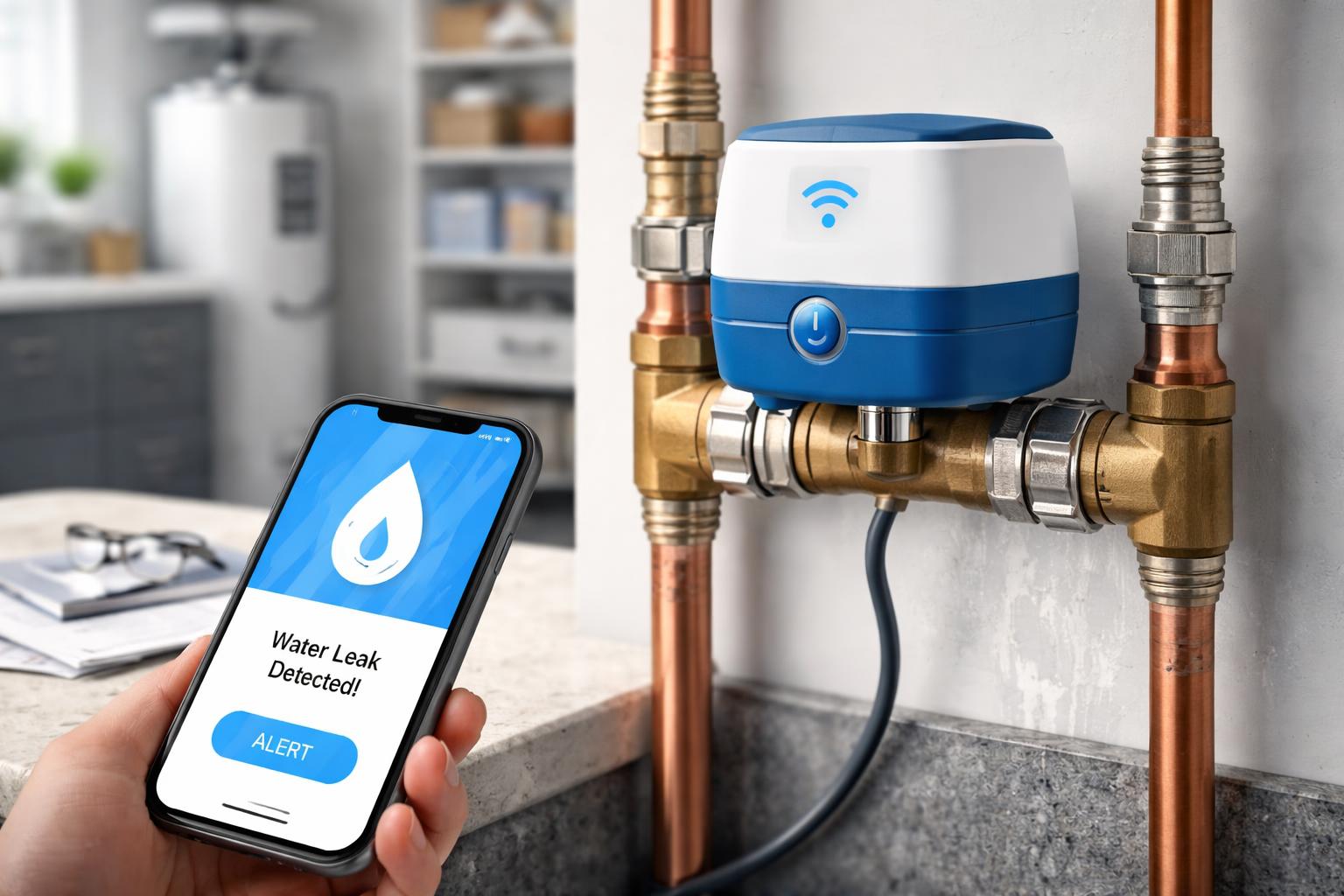
At its core, a smart water shut-off valve is a technologically advanced plumbing device designed to detect water leaks in your home and automatically close your main water supply valve to prevent or minimize damage. Think of it as a vigilant guardian for your home’s plumbing system, operating 24/7, even when you’re away.
How They Work Their Magic
Most smart water shut-off systems combine several key components to deliver their protective capabilities:
- Sensors: These are typically small, discreet devices placed in areas prone to leaks, such as under sinks, near water heaters, washing machines, refrigerators, and toilets. They detect the presence of water on surfaces or changes in humidity.
- Flow Monitors: Integrated into the main water line, these monitors continuously track water flow in your home. They learn your typical water usage patterns and can identify unusual or continuous flow that might indicate a burst pipe, a running toilet, or a persistent leak.
- Actuator Valve: This is the mechanical component connected to your home’s main water line. When a leak is detected by a sensor or unusual flow is identified by the monitor, the system signals the actuator to automatically close the main water valve, stopping the flow of water into your home.
- Connectivity: These systems connect to your home’s Wi-Fi network, allowing them to send alerts to your smartphone or other connected devices. Many also integrate with broader smart home ecosystems, providing centralized control and automation.
- App Control: A dedicated smartphone app allows you to monitor your water usage in real-time, receive alerts, and remotely shut off or turn on your water supply from anywhere in the world.
The beauty of these systems lies in their ability to act quickly. A small leak can turn into a major flood in a matter of hours, especially if it goes unnoticed while you’re at work, on vacation, or even asleep. A smart shut-off valve can respond in minutes, dramatically reducing the extent and cost of potential water damage.
The Costly Reality of Water Damage
To understand why insurers are so keen on smart water shut-off valves, it’s crucial to grasp the financial impact of water damage. Water-related claims are a homeowner’s nightmare for several reasons:
- Frequency: Water damage, excluding floods, is one of the most common insurance claims. Burst pipes, leaking appliances, overflowing toilets, and foundation leaks are unfortunately common occurrences.
- Severity: Even a seemingly small leak can cause significant damage over time, leading to ruined flooring, damaged drywall, compromised electrical systems, and the growth of mold. A burst pipe can cause tens of thousands of dollars in damage in a single event.
- Hidden Nature: Many leaks begin subtly, often in walls, ceilings, or crawl spaces, going unnoticed for extended periods until significant damage has accumulated. Smart systems excel at detecting these hidden issues early.
- Mold Remediation: Once mold sets in, remediation can be an extensive and expensive process, often requiring specialized professionals and temporary displacement from your home.
By preventing catastrophic water incidents, smart shut-off valves protect not just your home, but also your peace of mind and your wallet.
Smart Water Shut-Off Valves and Home Insurance: A Win-Win
The relationship between smart water shut-off valves and home insurance is simple: reduced risk for the insurer translates into potential savings for you. Here’s why and how it works:
Why Insurers Offer Discounts
Insurance companies are in the business of assessing and managing risk. When you install a device that significantly mitigates one of the leading causes of claims, you directly reduce their potential payout. This reduction in risk allows them to offer you a discount on your premium.
Factors that make smart water shut-off valves attractive to insurers:
- Proactive Prevention: Unlike traditional home security systems that alert after a break-in, these systems actively prevent damage from escalating.
- Reduced Claim Severity: Even if a leak occurs, the automatic shut-off drastically limits the volume of water released, turning what could be a catastrophic flood into a manageable spill.
- Evidence-Based: Many systems provide detailed data on water usage and alert history, offering verifiable proof of their effectiveness to insurers.
How to Secure Your Discount
Getting a discount isn’t always automatic. Here’s a step-by-step approach to maximize your chances:
- Contact Your Insurer BEFORE Installation: This is crucial. Before you purchase or install any system, speak with your insurance agent. Ask specifically about discounts for smart water leak detection and shut-off systems. Inquire about any specific requirements they might have (e.g., professional installation, specific brands, full-home monitoring vs. point sensors).
- Understand the Discount Structure: Discounts can vary. Some insurers offer a percentage off your premium (e.g., 5-10%), while others might provide a flat credit. Some might also offer a reduction in your deductible for water damage claims.
- Professional Installation: Some insurers may require professional installation for the discount to apply, as it ensures the system is correctly set up and less prone to malfunction.
- Provide Documentation: Once installed, your insurer will likely request proof, such as an invoice from the installer, a certificate of installation, or documentation about the system’s features.
- Inquire About Bundling: Ask if installing a smart water system, alongside other smart home security devices (like smart smoke detectors or security cameras), could lead to even greater discounts.
While not every insurer offers the same level of discount, many major providers are increasingly recognizing the value of these smart devices. It’s a proactive step that demonstrates you’re committed to protecting your home, which is always looked upon favorably by insurance companies.
Types of Smart Water Leak Detection and Shut-Off Systems
The market for smart water protection is growing, offering various solutions to fit different needs and budgets. It’s important to understand the distinctions to choose the best system for your home and to ensure it qualifies for potential insurance discounts.
1. Whole-Home Smart Water Shut-Off Valves with Flow Monitoring
These are the most comprehensive systems and generally the most favored by insurance companies. They consist of a single device installed on your main water line that continuously monitors the flow of water into your home. They learn your water usage patterns and can detect everything from tiny drips (like a leaky toilet) to catastrophic pipe bursts. If abnormal flow is detected, they automatically shut off the water supply.
- Pros: Full-home protection, proactive shut-off, detailed water usage data, often qualify for the best insurance discounts.
- Cons: Requires professional plumbing installation, generally a higher initial investment.
- Examples: Moen Flo Smart Water Shutoff, Phyn Plus Smart Water Monitor. These systems offer robust features for comprehensive protection.
2. Whole-Home Smart Water Shut-Off Valves with Wireless Sensors
Similar to the flow monitoring systems, these also feature a central valve that installs on your main water line. However, instead of relying solely on flow detection, they are typically paired with multiple wireless leak sensors placed throughout your home. When any sensor detects water, it signals the main valve to shut off the water.
- Pros: Proactive shut-off based on localized detection, good coverage for specific high-risk areas.
- Cons: Relies on sensor placement, flow issues might not be detected without additional components.
- Example: The LeakSmart Shut-Off Valve system is a great example, often integrating with a network of sensors.
3. Standalone Smart Water Leak Detectors (Point-of-Use Sensors)
These are individual, battery-powered sensors that you place in specific high-risk locations. When they detect water, they send an alert to your smartphone. While they alert you to a leak, they do *not* automatically shut off the water supply.
- Pros: Easy DIY installation, more affordable, good for targeted protection.
- Cons: No automatic shut-off (requires manual intervention), only protects specific areas where sensors are placed, less likely to qualify for significant insurance discounts on their own.
Comparison of Smart Water Protection Systems
To help you visualize the differences, here’s a comparison table of the common types of smart water protection systems:
| Feature | Whole-Home Shut-Off with Flow Monitoring | Whole-Home Shut-Off with Wireless Sensors | Standalone Leak Detectors (Point-of-Use) |
|---|---|---|---|
| Primary Function | Detects leaks via flow anomalies & shuts off water | Detects water at specific points & shuts off water | Detects water at specific points & sends alerts |
| Automatic Shut-Off | Yes (on main water line) | Yes (on main water line) | No (manual intervention required) |
| Detection Method | Flow rate, pressure, temperature changes | Physical water contact at sensor location | Physical water contact at sensor location |
| Installation | Professional plumbing usually required | Professional plumbing for valve, DIY for sensors | DIY (place and connect) |
| Coverage | Entire home (monitors water entering) | Specific areas covered by sensors | Specific areas covered by sensors |
| Insurance Discount Potential | Highest | High | Low to moderate (often combined with other features) |
| Water Usage Monitoring | Comprehensive data & insights | Basic (if valve supports it) | None |
For the best chance at significant insurance discounts and comprehensive protection, whole-home shut-off valves with flow monitoring are generally the most effective choice. If you’re considering a smart water solution, you might find more options and details in our guide on The Best Smart Water Leak Detectors & Shut-Off Valves for Homeowners in 2024.
Beyond Insurance Savings: Additional Benefits
While the prospect of lower insurance premiums is a compelling incentive, smart water shut-off valves offer a host of other invaluable benefits for homeowners:
- Peace of Mind: Knowing your home is protected from devastating water leaks 24/7, even when you’re away, is invaluable. No more worrying about burst pipes while on vacation.
- Prevent Costly Repairs: The immediate shut-off action prevents small leaks from becoming major catastrophes, saving you thousands in repair costs for damaged floors, walls, and furniture.
- Protect Valuables: Beyond the structure of your home, water damage can destroy irreplaceable family photos, electronics, heirlooms, and other personal belongings.
- Water Conservation and Savings: Many whole-home systems provide detailed insights into your water usage, helping you identify inefficiencies (like constantly running toilets) and conserve water, leading to lower utility bills.
- Real-Time Alerts: Receive instant notifications on your smartphone if a leak is detected, allowing you to take action even if the automatic shut-off feature isn’t triggered or if you simply want to investigate.
- Remote Control: The ability to remotely turn your water on or off from anywhere in the world is incredibly convenient, whether you’re winterizing your home for a trip or need to stop a leak manually.
- Early Detection of Plumbing Issues: Flow monitoring systems can often detect minor, slow leaks that wouldn’t trigger a point sensor, indicating potential plumbing issues before they become major problems.
Choosing the Right Smart Water Shut-Off Valve for Your Home
Selecting the best smart water shut-off valve involves considering several factors specific to your home and needs:
- Plumbing Compatibility: Ensure the system is compatible with your home’s main water line size (e.g., 3/4 inch, 1 inch). Most common residential sizes are well-supported.
- Installation Requirements: Some systems are designed for DIY installation (especially those that clamp onto existing valves), while others, particularly those requiring pipe cutting and soldering, demand professional plumbing installation. Consider your comfort level and local plumbing codes.
- Features and Functionality:
- Flow Monitoring: Do you want comprehensive monitoring of all water usage, or just point detection?
- Sensors: How many leak sensors do you need, and where will you place them?
- App Control: Is the app intuitive and feature-rich? Does it offer remote control and usage insights?
- Battery Backup: Crucial for maintaining protection during power outages.
- Temperature Monitoring: Some systems can alert you to freezing temperatures, helping prevent burst pipes.
- Smart Home Integration: If you have an existing smart home ecosystem (e.g., Google Home, Amazon Alexa, Apple HomeKit, Samsung SmartThings), check if the water shut-off valve can integrate with it for unified control and automation.
- Reliability and Reviews: Research reputable brands and read user reviews to gauge system reliability and customer satisfaction.
Systems like the Moen Flo Smart Water Shutoff offer advanced features like microleak detection and customizable alerts, while the Phyn Plus Smart Water Monitor uses high-definition sensing to analyze microscopic pressure changes, identifying potential issues before they become visible. For those looking for a robust sensor-based system that integrates well, the LeakSmart Shut-Off Valve is another excellent contender.
Installation Considerations
For whole-home shut-off valves, installation typically involves placing the device on your main water line, usually near your water meter or where the main water supply enters your home. This ensures that the system can monitor and control all water entering your property.
- DIY vs. Professional: Some smart water shut-off valves are designed for relatively easy DIY installation for those comfortable with basic plumbing, often clamping onto existing ball valves. Others require cutting into your main water line, which is best left to a licensed plumber to ensure proper installation, avoid leaks, and comply with local codes.
- Power Source: Most smart shut-off valves require a nearby power outlet. Ensure you have access to one or plan for electrical work if needed.
- Wi-Fi Connectivity: The device needs a strong and stable Wi-Fi signal to communicate with your app and other smart home devices.
Maximizing Your Insurance Savings
To truly capitalize on the insurance benefits of a smart water shut-off valve, remember these key steps:
- Early Communication: The most effective way to secure a discount is to discuss it with your insurance provider *before* you make a purchase or commitment. They can guide you on approved devices, installation requirements, and the specific discounts available.
- Gather Documentation: Keep all purchase receipts and installation invoices. Your insurer will likely require these as proof of installation.
- Inquire Annually: Even if you don’t get a discount immediately, ask your insurer about new programs or changes in their policy during your annual renewal. The smart home technology landscape, and insurer responses to it, are constantly evolving.
- Combine Discounts: Explore other smart home devices. Often, insurers offer broader smart home discounts for a combination of security features, fire protection, and water leak detection.
Frequently Asked Questions (FAQ)
Q1: Will every insurance company offer a discount for a smart water shut-off valve?
A1: Not necessarily. While many major insurers are increasingly offering discounts due to the proven risk reduction, policies vary. It’s essential to contact your specific insurance provider to confirm their current offerings and any requirements they may have.
Q2: How much can I expect to save on my home insurance premiums?
A2: Savings vary widely, but typically range from 2% to 10% on your water damage portion of the premium, or a flat credit. Some insurers might also offer a reduced deductible for water-related claims if you have a qualifying system. The more comprehensive the system (e.g., whole-home shut-off with flow monitoring), the greater the potential savings.
Q3: Does the smart water shut-off valve need professional installation to qualify for a discount?
A3: Often, yes. Many insurance companies prefer or require professional installation for whole-home shut-off valves. This ensures the system is installed correctly and safely, minimizing the risk of improper function. Always confirm your insurer’s specific requirements.
Q4: Can a standalone leak detector without an automatic shut-off feature still qualify for an insurance discount?
A4: It’s less likely to qualify for significant discounts compared to a full shut-off system. While point-of-use sensors provide valuable alerts, they don’t actively prevent ongoing damage by stopping the water flow. Some insurers might offer a smaller discount, especially if combined with other smart home features, but whole-home automatic shut-off systems are generally preferred for maximum savings.
Q5: What if my smart water shut-off valve malfunctions? Will my insurance still cover water damage?
A5: Generally, your homeowner’s insurance policy will still cover water damage even if your smart device malfunctions, provided the damage falls under the covered perils of your policy. However, regularly maintaining your smart system and ensuring it’s in good working order is crucial for its effectiveness and for maintaining any associated insurance discounts.
Conclusion
Investing in a smart water shut-off valve is a shrewd decision for any homeowner. Not only does it provide unparalleled peace of mind and protect your home from potentially devastating water damage, but it also offers a tangible financial benefit through potential home insurance premium reductions. By proactively engaging with your insurance provider, understanding their specific requirements, and choosing a reliable whole-home system, you can safeguard your property, conserve water, and enjoy meaningful savings on your homeowner’s policy. It’s a smart home upgrade that truly pays for itself in protection and potential savings.