
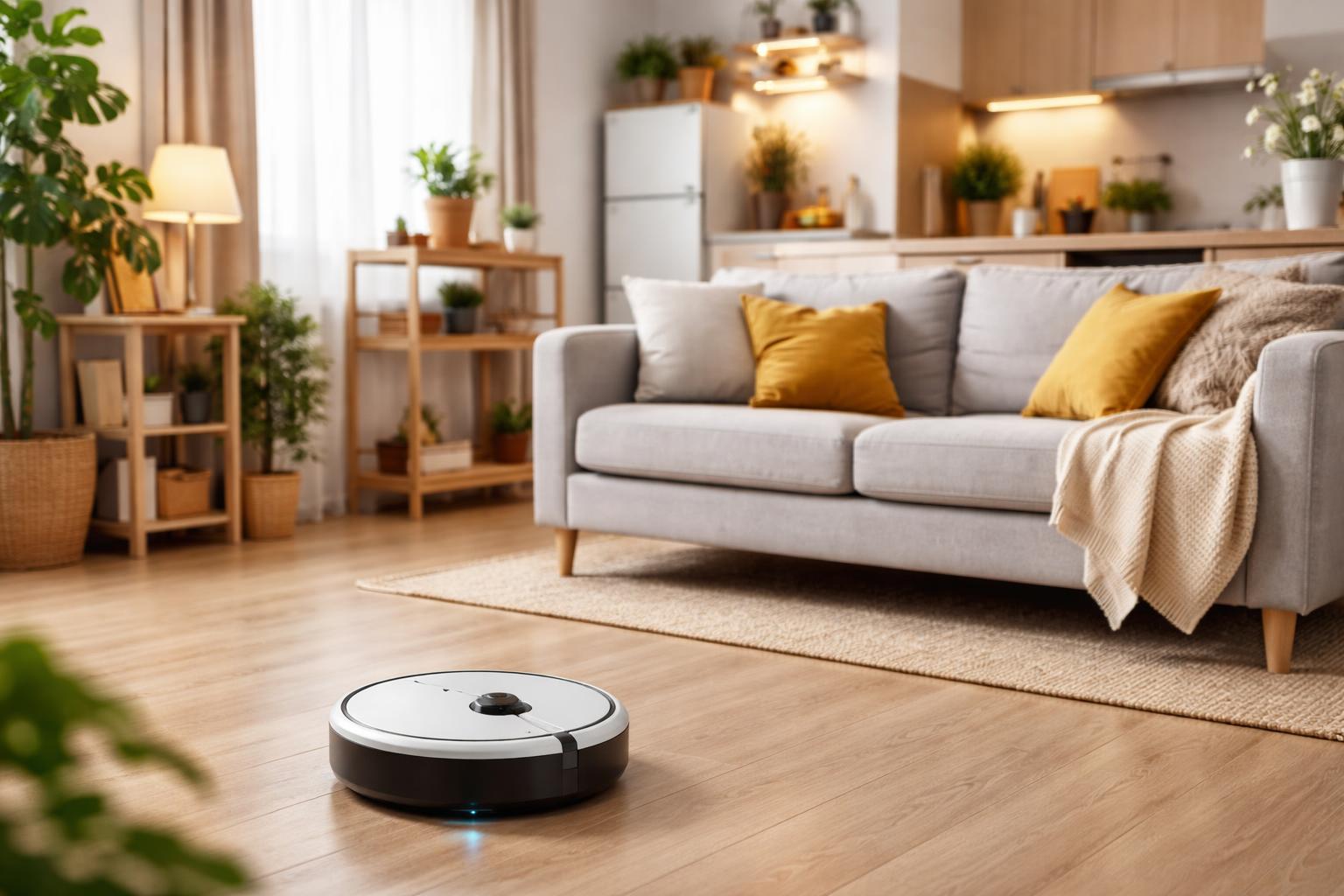
Is a Robot Vacuum Worth It for Small Apartments and Renters?
Do you often find yourself looking at your apartment floor, wishing it would just clean itself? Living in a small space or a rental often means compromising on convenience, especially when it comes to chores like vacuuming. But what if you could have sparkling clean floors without hauling out a bulky vacuum or spending your precious free time on it?
The Small Apartment and Renter’s Dilemma
You know the drill: tight corners, limited storage, and perhaps even carpeted hallways you don’t own. Traditional vacuums are a pain. They take up valuable closet space, can be heavy to move, and often miss those tricky spots under the couch or bed. For renters, modifications are often out of the question, meaning you need solutions that fit your lifestyle without altering the property.Robot vacuums promise a hands-off approach to cleaning. They can pick up dust, crumbs, and pet hair while you’re at work, enjoying an evening out, or simply relaxing. But do these smart gadgets actually make sense for your particular living situation? Are they just another piece of tech that ends up gathering dust itself? Let’s explore if this is the right cleaning companion for your compact home.
Why Robot Vacuums Are a Smart Move for Smaller Spaces
You might think a robot vacuum is overkill for a small apartment, but they actually shine in these environments. Their compact size means they can get into areas a traditional vacuum struggles with, like under low furniture. They also eliminate the need to store a bulky upright or canister vacuum, freeing up precious closet or utility space.Another major benefit is consistency. Even if your apartment isn’t huge, daily dust and debris build up quickly. A robot vacuum can run every day, maintaining a level of cleanliness you might not have time for otherwise. This daily maintenance prevents grime from accumulating, making your deeper cleans less frequent and easier. You’ll simply set it and forget it.
For renters, the biggest advantage is convenience without commitment. You don’t need to install anything or make permanent changes to your property. A robot vacuum is a portable device that you can easily take with you when you move, making it a truly transient smart home solution. This means you get all the benefits without any landlord hassles.
Three Robot Vacuums Perfect for Your Home
When choosing a robot vacuum, think about your specific needs. Do you have pets? Is your apartment mostly hard floors or carpet? How much "smart" do you want in your cleaner? Here are three types that fit different small apartment and renter lifestyles.The Compact Robot Vacuum: Small but Mighty
This type of robot vacuum is designed specifically with smaller living spaces in mind. It typically has a smaller diameter and a lower profile than standard models. This allows it to navigate tight furniture arrangements and slip under those low-clearance items like coffee tables or TV stands that bulkier models might bump into. It’s perfect if your apartment feels like a maze of furniture.It’s best for studio apartments, dorm rooms, or homes with very specific tight spots. One limitation is its smaller dustbin capacity, meaning you’ll need to empty it more frequently, perhaps every day if you have pets. If you’re constantly tripping over your current vacuum, a compact robot vacuum could be your liberation.
The Budget-Friendly Robot Vacuum: Entry-Level Clean
If you’re new to robot vacuums or on a tighter budget, this is your starting point. These models focus on essential cleaning tasks without a lot of extra bells and whistles. They excel at basic navigation and dust collection on a single floor type, making them ideal for a simple apartment layout with mostly hard floors or low-pile carpets.This option is best for first-time robot vacuum owners, those with straightforward floor plans, or anyone who wants a basic automated clean without a significant investment. The main limitation here is often less sophisticated navigation, meaning it might bump into furniture more often or take a longer, less efficient path to clean your space. It might not map your home or remember its layout. This option offers a solid clean without breaking the bank, perfect for a budget-friendly robot vacuum solution.
The Mapping Robot Vacuum: Smart and Strategic
For those who want a more intelligent clean, a mapping robot vacuum creates a digital map of your apartment. This allows it to clean more efficiently, plan optimal routes, and even lets you set "no-go" zones or virtual walls from an app. Imagine telling your vacuum to avoid the area around your pet's water bowl or that pile of papers.This model is best for homes with more complex layouts, multiple furniture pieces, or specific areas you want to avoid. It’s also excellent for pet owners who need to target high-traffic zones. The primary downside is the higher upfront cost compared to basic models. However, the convenience and efficiency you gain from a mapping robot vacuum can save you time and frustration in the long run.
What to Look For Before You Buy
Choosing the right robot vacuum means matching its features to your actual living situation. Here are a few key points to consider:- Navigation Type: For smaller apartments, basic bounce navigation is fine, but for better efficiency and to avoid missed spots, look for models with smart navigation (like VSLAM or LiDAR) that map your space. This helps it learn your layout and clean methodically.
- Battery Life and Runtime: Even for a small apartment, you want enough battery to complete the job in one go. Aim for at least 60-90 minutes of runtime. Many will return to their dock to recharge and resume cleaning if needed, but a single run is often more convenient.
- Dustbin Size: Smaller apartments can still get dusty, especially with pets. A larger dustbin means less frequent emptying. If the vacuum is very compact, you might compromise on bin size, but balance this with how often you're willing to empty it.
- Brush Type: If you have pets, look for a vacuum with a rubber brushroll rather than bristle brushes. Bristle brushes tend to get tangled with pet hair more easily, requiring frequent cleaning by you. Rubber brushes are much easier to maintain.
- App Control and Features: Many robot vacuums come with a companion app. This lets you schedule cleanings, view maps (for mapping models), and start/stop cleaning remotely. For renters, this remote control is incredibly handy for setting it to clean while you're out.
Common Mistakes to Avoid
Many first-time robot vacuum owners make a few common mistakes that lead to frustration. The biggest one is not "robot-proofing" your apartment. While these machines are smart, they aren't perfect. Before you run your robot vacuum, take a few minutes to:- Pick up small items like charging cables, socks, or small toys. These can easily get tangled in the brushes and stop the vacuum.
- Tidy up any loose power cords on the floor. These are a major hazard and can cause the robot to get stuck or even damage the cord.
- Clear any lightweight rugs that might get bunched up or eaten by the vacuum. Consider non-slip pads for throw rugs.
Comparison: Which Robot Vacuum is Right for You?
| Feature | Compact Robot Vacuum | Budget-Friendly Robot Vacuum | Mapping Robot Vacuum |
|---|---|---|---|
| Best For | Very tight spaces, low furniture, minimal storage. | First-time users, basic cleaning, straightforward layouts. | Complex layouts, specific cleaning zones, pet owners. |
| Navigation | Basic random bounce or zig-zag. | Basic random bounce, sometimes simple infrared. | Advanced LiDAR or VSLAM, creates detailed maps. |
| Dustbin Size | Smallest (requires frequent emptying). | Medium (average emptying frequency). | Medium to Large (less frequent emptying). |
| App Features | Basic start/stop, schedule. | Basic start/stop, schedule, sometimes spot clean. | Full control, virtual walls, no-go zones, cleaning history. |
| Limitation | Small dustbin, less powerful suction sometimes. | Less efficient cleaning, can miss spots, less smart. | Higher initial investment, might require more setup. |
Who Should Buy This
Robot vacuums aren't for everyone, but they truly shine for specific types of homeowners and renters.The Busy Professional Renter
If your work schedule leaves you little time or energy for daily chores, a robot vacuum is a lifesaver. You can set it to clean while you're at the office, arriving home to a refreshed living space. It’s perfect for those who value convenience and want to maximize their free time for activities beyond cleaning.The Small Apartment Dweller
With limited space, you need solutions that don't add clutter. A robot vacuum is a compact cleaning device that parks itself out of the way on its charging dock. It saves you from tripping over a bulky vacuum cleaner and frees up closet space for other essentials. This is especially true for those living in efficiency or studio apartments.The Pet Owner
Pets are wonderful companions, but they can be messy. Daily shedding can quickly turn your clean floor into a furry landscape. A robot vacuum, especially one with strong suction and a good brushroll, can keep pet hair under control with minimal effort from you. It tackles the daily shedding so you don't have to.For more insights on smart devices suitable for your rental, consider reading about Best Matter Devices for Renters in 2026.
Frequently Asked Questions
Can robot vacuums handle different floor types in a small apartment?
Yes, most robot vacuums can transition between hard floors (like wood or tile) and low-pile carpets. If you have higher pile rugs, check the product specifications, as some models may struggle with thicker carpets.Do I need to be home when my robot vacuum is cleaning?
No, that's the beauty of it! You can schedule your robot vacuum to clean when you're out. This means you can return to a fresh home without any noise or interruption.How much maintenance does a robot vacuum require?
You'll need to empty the dustbin regularly, especially if you have pets. You should also periodically clean the brushes, filters, and sensors according to the manufacturer's instructions to ensure optimal performance. This usually takes just a few minutes each week.Will a robot vacuum damage my furniture or baseboards?
Most robot vacuums have sensors to detect obstacles and slow down before making contact, or they have soft bumpers. While occasional gentle bumps are normal, they are designed to avoid causing damage to your furniture or walls.Are robot vacuums noisy for small apartments?
Compared to traditional upright vacuums, robot vacuums are generally much quieter. While they do make noise, it's typically a low hum that won't disrupt your daily activities, especially if you schedule them to run when you're not home.Final Verdict
For small apartment dwellers and renters, a robot vacuum is absolutely worth it. It’s not just a gadget; it’s a practical tool that saves you time, space, and effort, making your compact living more enjoyable. If you prioritize efficient cleaning without sacrificing space, and you want to maintain consistently clean floors with minimal daily effort, then a robot vacuum is an excellent investment.Consider a mapping robot vacuum if your budget allows. Its ability to navigate efficiently, create virtual boundaries, and offer precise cleaning control provides the best overall experience for any small apartment, ensuring every nook and cranny is addressed. Take the step to automate your cleaning and reclaim your valuable free time.