
Disclosure: This article contains affiliate links. As an Amazon Associate, we earn from qualifying purchases at no extra cost to you.
Do Smart Water Leak Detectors Really Work? An Honest Review for Homeowners
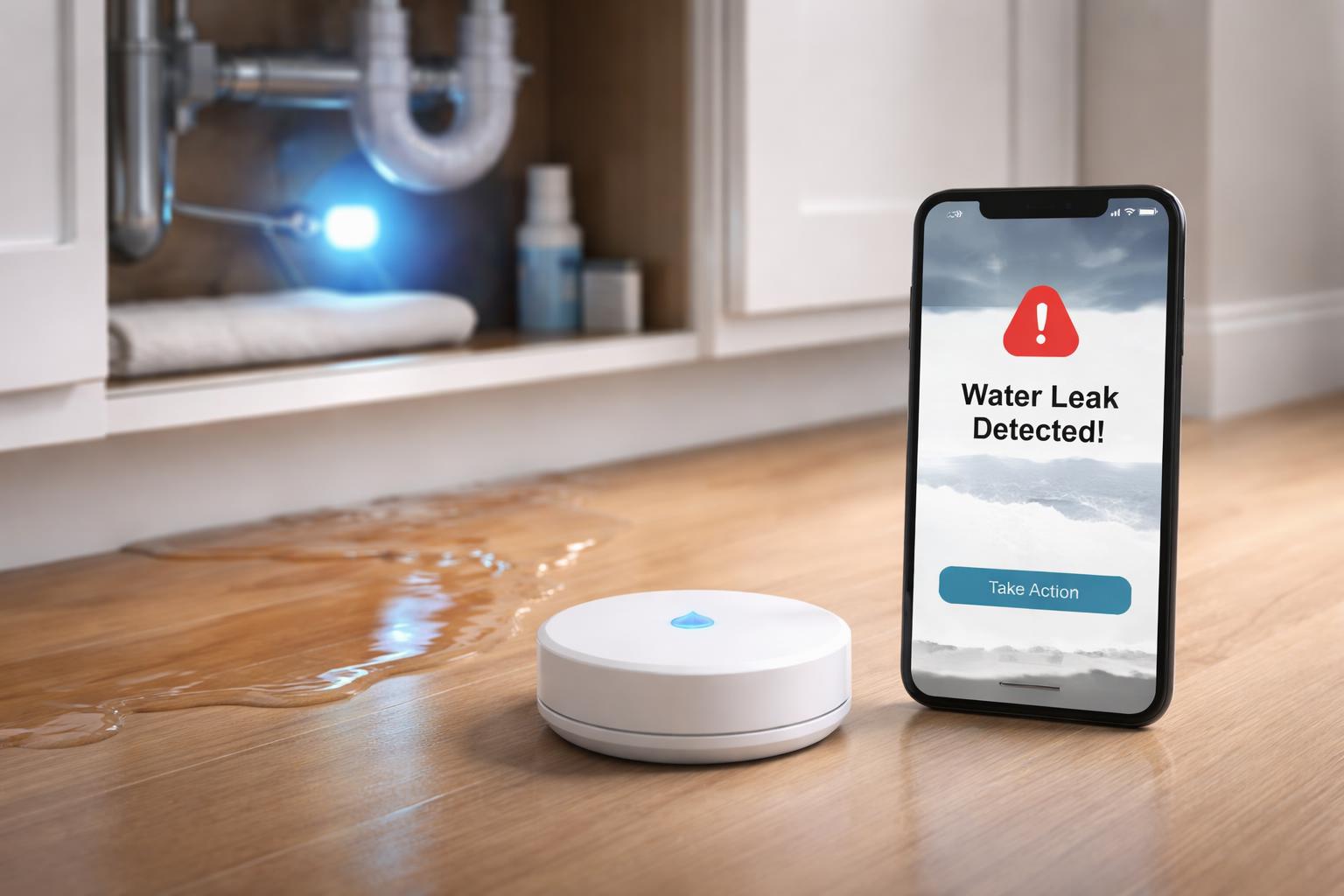
Yes, smart water leak detectors absolutely work, and they can be an incredibly effective tool for protecting your home from potentially catastrophic water damage. These clever devices leverage advanced sensor technology and smart home connectivity to detect the earliest signs of moisture, alerting you instantly to potential leaks before they escalate into major problems. For homeowners seeking peace of mind and proactive protection against burst pipes, overflowing appliances, or foundational leaks, investing in a reliable smart water leak detection system is a highly worthwhile decision.
The Silent Threat: Why Water Leaks Are a Big Deal
Water damage is one of the most common and costly homeowner insurance claims. A tiny drip behind a wall or under an appliance can go unnoticed for weeks or even months, leading to extensive mold growth, structural damage, and astronomical repair bills. Traditional leak detection often relies on visual inspection or the unfortunate discovery of a soggy carpet. Smart technology, however, offers a proactive defense, catching these issues at their nascent stage.
From a slow-drip faucet to a sudden pipe burst in an unoccupied basement, the scenarios are numerous and the potential for damage significant. Imagine being away on vacation only to return to a flooded kitchen because of a ruptured dishwasher hose. Or consider the hidden damage accumulating under your bathroom sink from a faulty P-trap. Smart water leak detectors are designed to be your constant guardians, providing a critical layer of security that traditional methods simply cannot match. They empower you to act quickly, minimizing damage and saving you considerable time, money, and stress.
How Smart Water Leak Detectors Function
At their core, smart water leak detectors are deceptively simple yet remarkably effective devices. They consist of sensitive sensors designed to detect the presence of water, combined with smart technology that allows them to communicate this information to you, no matter where you are.
The Science Behind the Sensor
Most smart water leak detectors utilize one of a few common sensor types:
- Contact Sensors (Probes): These are the most common. Small metal probes on the underside of the device complete an electrical circuit when they come into contact with water. Once the circuit is closed, the detector registers a leak.
- Rope or Cable Sensors: Ideal for covering larger areas, these consist of a long, flexible cable with integrated sensors along its length. If any part of the cable touches water, an alert is triggered. This is particularly useful for wrapping around water heaters, along basement walls, or under long stretches of piping.
- Whole-Home Flow Sensors: These advanced systems monitor the actual flow of water through your main water line. They learn your household’s typical water usage patterns and can detect unusual flow rates – such as continuous flow when no one is home, or a higher-than-normal flow indicating a leak – without direct contact with spilled water.
Connectivity: Your Home’s Communication Network
Once water is detected, the “smart” part of the device kicks in. Smart leak detectors connect to your home’s network, typically via:
- Wi-Fi: Many detectors connect directly to your existing Wi-Fi network, making setup simple.
- Zigbee or Z-Wave: These are dedicated smart home protocols that often require a central hub. They are known for their reliability, lower power consumption (leading to longer battery life), and ability to create a mesh network, extending the range of your smart devices.
- Bluetooth: Less common for permanent leak detection systems due to limited range, but some local alerts might use it.
This connectivity is what allows the detector to send alerts to your smartphone or integrate with other smart home systems.
Instant Alerts and Smart Home Integration
When a leak is detected, smart detectors initiate a series of alerts:
- Smartphone Notifications: The most common and useful alert, sending a push notification directly to your phone via the device’s app.
- Audible Alarm: Most devices also include a built-in siren or alarm to alert anyone physically present in the home.
- Email/Text Messages: Some systems can be configured to send alerts via email or SMS to multiple contacts.
- Integration with Smart Assistants: Many detectors can link with Amazon Alexa or Google Assistant, allowing you to ask about the status of your detectors or receive verbal alerts through your smart speakers.
- Smart Shut-Off Valves: The most powerful integration is with a smart water shut-off valve. Upon detecting a leak, the system can automatically command a smart shut-off valve to close your home’s main water supply, preventing further damage. This truly automates your protection and is often considered the gold standard for comprehensive water leak defense.
The ability to receive instant alerts, even when you’re miles away, is the cornerstone of a smart water leak detection system’s effectiveness. It transforms a potentially disastrous situation into a manageable incident. You can find highly effective smart water leak detectors designed for various home setups and needs, offering peace of mind through advanced monitoring.
Types of Smart Water Leak Detectors
The market offers a range of smart water leak detectors, each with its own advantages, designed to fit different needs and preferences. Understanding these types will help you choose the best solution for your home.
Spot Detectors
These are the most common and generally the most affordable type of smart leak detector. They are small, self-contained units typically placed directly on the floor in areas prone to leaks. They usually have two or more metal probes on the bottom that detect water by completing an electrical circuit.
- Pros: Easy to install (just place and connect), compact, good for specific high-risk areas.
- Cons: Only detect water directly beneath them, limited coverage area per unit.
- Best For: Under sinks, behind toilets, near washing machines, water heaters, and sump pumps.
Rope or Cable Detectors
Rope detectors utilize a flexible cable or “rope” with sensors embedded along its entire length. When any part of the rope comes into contact with water, an alarm is triggered.
- Pros: Excellent for covering larger or linear areas, such as along a basement wall, around the perimeter of a water heater, or under rows of pipes.
- Cons: Can be slightly more involved to route and secure, may require a bit more attention to placement.
- Best For: Basements, utility rooms, server rooms, wrapping around large appliances or water heaters.
Whole-Home Water Monitors (Flow-Based)
These are more sophisticated systems that attach to your home’s main water line. Instead of detecting pooled water, they monitor the flow of water throughout your entire plumbing system. They use algorithms to learn your typical water usage patterns and can identify anomalies like continuous flow (indicating a leak) or unusually high flow rates.
- Pros: Comprehensive, whole-home protection; can detect leaks anywhere in your plumbing system (even hidden ones); often integrate with smart shut-off valves for automatic water cutoff.
- Cons: Requires professional installation on your main water line, generally a higher upfront investment.
- Best For: Comprehensive protection for all water sources in your home, homeowners looking for the ultimate peace of mind.
Smart Shut-Off Valves
While not detectors themselves, smart shut-off valves are crucial companions to smart leak detectors, especially whole-home monitors. These devices are installed on your main water line and can automatically or manually turn off your home’s water supply.
- Pros: Prevents massive water damage by stopping the source of the leak immediately; offers ultimate protection against significant flooding.
- Cons: Requires professional plumbing installation; an additional investment.
- Best For: Any homeowner serious about preventing major water damage, especially when integrated with a smart leak detection system.
Key Features to Look For in a Smart Water Leak Detector
When selecting a smart water leak detector, certain features can significantly enhance its effectiveness and your overall experience.
- Sensor Type and Coverage: Consider whether you need spot detection or broader area coverage with a rope sensor. For whole-home protection, a flow-based monitor is ideal.
- Connectivity Options: Wi-Fi is common, but Zigbee/Z-Wave offer robust, low-power mesh networks if you already have a compatible smart home hub.
- Alert Types: Ensure the device offers smartphone notifications (push alerts), and ideally, an audible alarm. Email or SMS alerts can be a valuable backup.
- Battery Life and Type: Long battery life (often measured in years) means less frequent maintenance. Look for standard, easily replaceable batteries. Some devices also send alerts when batteries are low.
- Integration Capabilities: Does it work with your existing smart home ecosystem (e.g., Google Home, Alexa)? Can it integrate with a smart shut-off valve for automatic water cutoff? This is a critical feature for maximum protection.
- Temperature and Humidity Sensing: Some detectors include these additional sensors, which can be useful for monitoring conditions that could lead to pipe freezing or excessive humidity causing mold.
- Ease of Installation: Most spot and rope detectors are DIY-friendly. Whole-home flow sensors and smart shut-off valves typically require professional plumbing installation.
Strategic Placement: Where to Put Your Detectors
The effectiveness of your smart water leak detection system hinges significantly on where you place your devices. Thinking strategically about potential leak sources is key.
- Under Sinks: Kitchen and bathroom sinks are prime locations for leaks.
- Behind Toilets: Faulty wax rings or supply lines can leak.
- Near Water Heaters: These appliances are notorious for leaks.
- Under Washing Machines and Dishwashers: Hoses and components can fail.
- Near Sump Pumps: Alerts you before basement flooding.
- In Basements and Attics: Susceptible to pipe bursts or condensation issues.
- Near Refrigerators with Ice Makers: The water line is a common failure point.
- Under Aquariums: Small leaks can quickly escalate.
Consider areas where water lines run, where appliances use water, and any location where you’ve experienced leaks in the past. It’s better to have too many detectors than too few.
The Ultimate Defense: Smart Leak Detectors with Automatic Shut-Off Valves
While a smart leak detector provides an invaluable alert, combining it with a smart water shut-off valve elevates your home’s protection to the highest level. This powerful duo doesn’t just tell you about a leak; it actively stops it.
How the Combo Works
When a smart leak detector senses water, it sends a signal to your smart home hub or directly to the smart shut-off valve. The valve then automatically closes your home’s main water supply. This immediate action is critical because it prevents what could be a small puddle from becoming an expensive flood. Whether you’re at work, on vacation, or even just asleep, your home is protected.
These smart shut-off valves come in two main types:
- Motorized Ball Valves: These replace a section of your main water pipe and physically turn a ball valve to stop water flow. They require professional plumbing installation.
- Robotic Arms: These attach to your existing quarter-turn ball valve without requiring pipe cutting. A motorized arm physically turns the valve handle. While often easier to install, they may not fit all valve types.
The true genius of this combination lies in its autonomy. You don’t have to be home, awake, or even able to access your phone to prevent extensive damage. The system acts on your behalf, providing unparalleled peace of mind. For a deeper dive into the best options available, consider checking out our guide on The Best Smart Water Leak Detectors & Shut-Off Valves for Homeowners in 2024.
Potential Downsides and Considerations
While smart water leak detectors offer immense benefits, it’s important to be aware of potential considerations:
- Reliable Internet/Hub Connection: Devices rely on Wi-Fi or a smart hub for remote alerts.
- Battery Maintenance: Regular checks and replacements are necessary.
- False Alarms: Rare, but possible due to condensation or incorrect placement.
- Initial Investment and Installation: Comprehensive systems cost more upfront.
- App Dependency: You’ll need to use the device’s app for monitoring and alerts.
Comparison of Smart Water Leak Detector Types
To help you decide which type might be best for your needs, here’s a quick comparison:
| Feature | Spot Detector | Rope/Cable Detector | Whole-Home Flow Monitor |
|---|---|---|---|
| Coverage | Specific, small area (e.g., under a sink) | Linear path, larger area (e.g., around a water heater, along a wall) | Entire home’s plumbing system |
| Detection Method | Direct contact with pooled water via probes | Direct contact with water along the cable’s length | Monitors water flow through the main pipe |
| Installation | Very easy (place and connect) | Easy (route and connect) | Typically professional plumbing installation |
| Primary Use | Targeted protection in high-risk spots | Linear protection for larger appliances, long pipes | Comprehensive leak detection and prevention |
| Integration with Shut-Off Valve | Yes, usually through a smart home hub | Yes, usually through a smart home hub | Most often directly integrated or designed to pair |
FAQ: Your Questions About Smart Water Leak Detectors Answered
Do smart water leak detectors need Wi-Fi to work?
Most smart water leak detectors require a Wi-Fi connection or a smart home hub (which itself uses Wi-Fi) to send remote notifications to your smartphone. Without it, they might still sound a local audible alarm if they detect water, but you won’t receive alerts when you’re away from home.
How long do the batteries typically last in these devices?
Battery life varies by model and usage, but many smart water leak detectors are designed for long-term use, often lasting 1-3 years on standard AA or AAA batteries. Some even boast up to 5-year battery life. The device’s app will typically notify you when the battery is running low.
Can smart water leak detectors prevent all types of water damage?
They are incredibly effective at preventing extensive damage by alerting you to leaks early. However, they cannot prevent the initial leak itself, only mitigate its impact. For maximum protection, pairing them with a smart water shut-off valve allows them to physically stop the water flow, preventing significant flooding.
Are smart water leak detectors difficult to install?
Spot and rope-style detectors are generally very easy to install. You simply place them where needed, connect them to your Wi-Fi or smart home hub via an app, and you’re done. Whole-home flow monitors and smart water shut-off valves, however, usually require professional plumbing installation on your main water line.
What kind of alerts can I expect to receive from a smart leak detector?
When a leak is detected, you’ll typically receive push notifications on your smartphone via the device’s app. Many detectors also have a built-in audible alarm. Some systems can be configured to send email or text message alerts to you and other family members, ensuring you’re quickly informed no matter how you prefer to communicate.
Conclusion
Smart water leak detectors are far more than just a gadget; they are a vital component of a truly smart and protected home. They stand as a powerful preventative measure against one of the most common and damaging household issues, offering homeowners invaluable peace of mind. By providing immediate alerts and, especially when paired with a smart shut-off valve, actively preventing catastrophic water damage, these devices prove their worth many times over. Investing in a reliable system means safeguarding your property, your possessions, and your financial well-being from the silent, insidious threat of water leaks.