
Disclosure: This article contains affiliate links. As an Amazon Associate, we earn from qualifying purchases at no extra cost to you.
Integrated vs. Separate: Choosing the Best Smart Pet Feeding & Watering System for Your Home
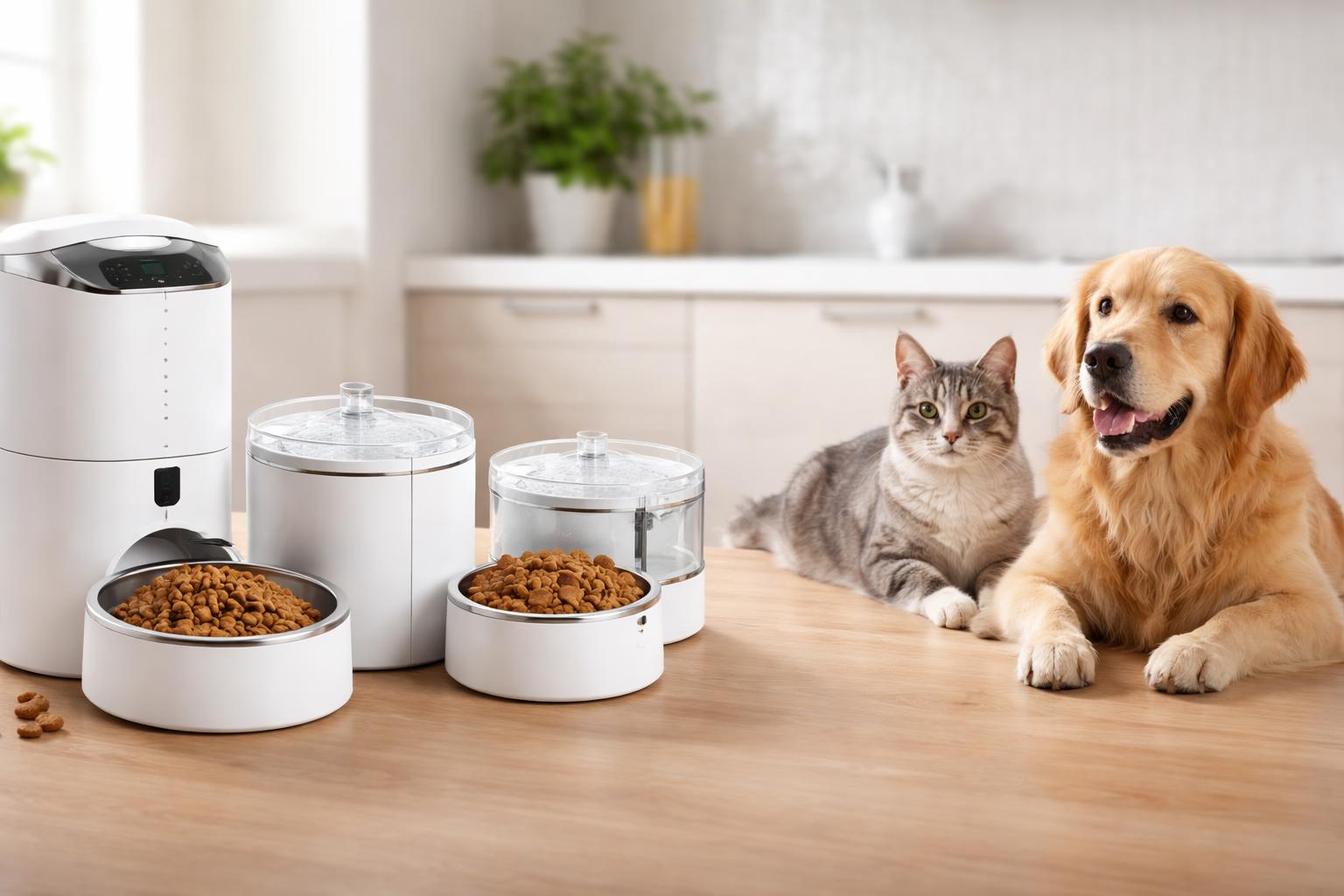
Choosing between an integrated smart pet feeding and watering system and separate units boils down to balancing convenience with flexibility; integrated systems offer a streamlined experience with a single app and often a compact design, while separate feeders and fountains provide maximum customization and placement flexibility. The optimal choice depends heavily on your specific home layout, your pet’s individual needs, and your personal preferences for management and aesthetics.
The world of smart home automation has revolutionized how we manage everything from lighting to climate control, and our furry family members haven’t been left out. Smart pet feeding and watering systems have emerged as a game-changer for pet parents, offering peace of mind and ensuring our companions are well-fed and hydrated, even when we’re not physically present. These innovative devices leverage technology to automate routines, monitor consumption, and even provide insights into our pets’ health. But as with many smart home solutions, you’re faced with a fundamental decision: opt for a combined, integrated system, or build your setup with separate, standalone devices? This comprehensive guide will explore the nuances of each approach, helping you make an informed decision that best suits your lifestyle and your pet’s needs.
Understanding Smart Pet Feeding & Watering Systems
At their core, smart pet feeding and watering systems are designed to automate and enhance two critical aspects of pet care: nutrition and hydration. They move beyond simple gravity feeders and basic water bowls by incorporating advanced technology for precise control and remote management.
Key features common to most smart pet systems include:
- App Control: Manage schedules, portion sizes, and monitor activity from your smartphone, no matter where you are.
- Scheduled Feeding: Program specific meal times and dispense exact portion sizes, crucial for managing your pet’s diet and preventing overfeeding.
- Slow Feeding Options: Some feeders can dispense food slowly or in puzzles to prevent rapid eating, which can lead to digestive issues.
- Fresh Water Circulation: Fountains constantly filter and circulate water, encouraging pets to drink more and providing cleaner hydration than still water bowls.
- Notifications & Alerts: Receive alerts for low food or water levels, successful feedings, or even motion detection (on some advanced models).
- Backup Power: Many systems include battery backup to ensure operation during power outages.
- Voice Assistant Integration: Some devices can be controlled via voice commands through smart home hubs like Amazon Alexa or Google Assistant.
These capabilities provide unparalleled convenience, ensuring your pet sticks to a consistent routine, even if your own schedule is unpredictable.
The Integrated System Approach: Unified Convenience
An integrated smart pet feeding and watering system combines both functionalities into a single unit or a closely linked pair of devices designed to work seamlessly together, often from the same manufacturer and controlled by a single dedicated app.
Advantages of Integrated Systems
Integrated systems offer a compelling package, particularly for those who value simplicity and a streamlined approach:
- Simplicity and Convenience: This is arguably the biggest draw. With one device or a clearly interconnected set, setup is often quicker, and management is consolidated through a single app interface. This eliminates the need to switch between multiple apps to manage feeding and watering schedules. For an excellent example of this unified approach, consider the PETKIT Smart Pet Feeder & Water Fountain Combo.
- Space-Saving Design: Integrated units are often designed with a compact footprint, making them ideal for smaller living spaces or homes where counter space is at a premium. They typically occupy a single designated area.
- Unified Aesthetics: Since components are designed by the same brand, integrated systems often feature a cohesive look and feel, blending seamlessly into your home décor without mismatched devices.
- Potential for Better Integration: Data might be shared more effectively between feeding and watering components, potentially offering a more holistic view of your pet’s consumption habits through one dashboard.
- Easier Troubleshooting: With a single system, troubleshooting issues might be more straightforward, as you’re dealing with one point of contact for support and one ecosystem of devices.
Disadvantages of Integrated Systems
While convenient, integrated systems do come with certain limitations:
- Less Flexibility in Placement: Because the feeder and fountain are combined or linked, you’re limited to placing them together. This might not be ideal if your pet prefers to eat in one spot and drink in another, or if you have specific space constraints.
- Compromised Feature Sets: You might find that one component (e.g., the feeder) is excellent, but the other (e.g., the fountain) doesn’t have all the features you desire, or vice-versa. You’re buying a package deal, meaning individual components might not be “best-in-class.”
- Single Point of Failure: If a critical component of an integrated system malfunctions, it could potentially affect the entire system’s operation. For example, if the app server goes down, both feeding and watering schedules could be impacted.
- Upgrade Limitations: If you want to upgrade only your feeder or only your fountain, you might be forced to replace the entire integrated system, which can be less economical.
The Separate System Approach: Ultimate Flexibility
A separate system consists of independent smart pet feeders and smart water fountains, often from different brands, that you purchase and manage individually. While some brands, like PetSafe, offer both types of devices, they are typically sold as distinct units that operate independently rather than as a single, combined system.
Advantages of Separate Systems
Choosing individual devices provides a high degree of customization and adaptability:
- Maximum Flexibility in Placement: You can place the smart feeder in your pet’s dedicated eating area and the smart water fountain in a different, more accessible location (e.g., in the living room, near a favorite resting spot, or even outdoors if designed for it). This caters to natural pet behaviors and home layouts.
- Tailored Features: This is where separate systems truly shine. You can select the absolute best smart feeder that meets your pet’s dietary needs (e.g., specific portion sizes, slow-feeding mechanisms, capacity) and pair it with the ideal smart water fountain that encourages hydration (e.g., multiple flow settings, specific filtration, quiet operation). For instance, you could choose a versatile standalone smart feeder like the Petlibro Automatic Pet Feeder and combine it with a sophisticated Catit PIXI Smart Fountain.
- Redundancy: If one device experiences a malfunction, the other remains fully functional. This provides a level of peace of mind, knowing that a minor issue with one won’t disrupt your pet’s entire feeding and watering routine.
- Gradual Investment: You can purchase one device at a time, allowing you to spread out your investment and prioritize based on immediate needs or budget availability.
- Future-Proofing: If a new, innovative feeder or fountain comes out, you can upgrade just that specific component without having to replace an entire integrated system.
Disadvantages of Separate Systems
The flexibility of separate systems comes with its own set of trade-offs:
- Multiple Apps/Interfaces: Managing separate devices, especially from different brands, often means dealing with multiple smartphone apps. This can be less convenient and may require more mental effort to keep track of schedules and alerts.
- Increased Footprint/Space: Two distinct devices will generally occupy more physical space than a single integrated unit.
- Potential for Disjointed Aesthetics: Unless you specifically choose devices designed to complement each other, you might end up with a less cohesive look if your feeder and fountain are from different brands with different design languages.
- More Complex Setup: Setting up two independent devices, each with its own Wi-Fi connection and app, can take longer and involve more steps than setting up a single integrated unit.
Factors to Consider When Choosing
Making the right decision requires a thoughtful evaluation of your unique circumstances.
Your Pet’s Needs
Your pet should be at the forefront of this decision.
- Type & Size: A large dog will require a feeder with a much larger capacity and a more robust design than a small cat. Fountains also come in various sizes and capacities.
- Dietary Habits: Does your pet eat quickly, needing a slow feeder? Do they have specific dietary restrictions requiring precise portion control?
- Water Consumption: Is your pet a finicky drinker who prefers flowing water, or do they easily adapt to different fountain types? Do they tend to make a mess, requiring a fountain with splash guards?
- Multiple Pets: If you have more than one pet, separate feeders can allow for individualized portion control if their diets differ. Multiple fountains might also be necessary to prevent competition or ensure enough fresh water is available.
Your Home Environment
The physical space and existing smart home setup play a crucial role.
- Available Space: Do you have ample floor or counter space for two distinct units, or is a compact, all-in-one solution more suitable?
- Power Outlets: Do you have accessible power outlets in the locations where you’d prefer to place both the feeder and the fountain?
- Smart Home Ecosystem: Are you already invested in a specific smart home ecosystem (e.g., Apple HomeKit, Google Home, Amazon Alexa)? Check if the devices offer compatibility or if you prefer them to integrate with existing routines.
- Wi-Fi Coverage: Ensure you have reliable Wi-Fi coverage in the areas where you plan to place your smart devices.
Your Lifestyle & Preferences
Consider your own habits and what brings you peace of mind.
- Desired Level of Control: Do you want basic scheduling, or do you desire advanced analytics, video monitoring, or integration with other smart home devices?
- Ease of Use & Maintenance: How important is a simple interface? Are you comfortable with managing multiple apps? How easy are the devices to clean and refill?
- Aesthetics: Does the look of the devices matter to you? Do you prefer a unified, sleek appearance or are you more focused on functionality, regardless of matching brands?
Comparison Table: Integrated vs. Separate Systems
To help visualize the differences, here’s a quick comparison:
| Feature | Integrated Smart Pet System | Separate Smart Pet Systems |
|---|---|---|
| App Management | Single app for all functions | Multiple apps (often one per device/brand) |
| Placement Flexibility | Limited (feeder & fountain placed together) | High (feeder & fountain placed independently) |
| Aesthetics | Unified, cohesive design | Potentially varied, less cohesive look |
| Feature Customization | Limited to package offering | Maximum (choose best-in-class for each) |
| Space Footprint | Often more compact overall | Generally requires more distinct space |
| Redundancy | Lower (one failure can impact both) | Higher (one device failure doesn’t affect the other) |
| Upgradeability | Often requires replacing entire unit | Upgrade individual components as needed |
| Setup Complexity | Typically simpler, single process | Can be more involved, two distinct setups |
Recommended Scenarios
Based on the factors above, here’s when each system might be the best fit:
Choose an Integrated System If:
- You have limited space and need a compact solution.
- You prioritize simplicity and prefer managing everything through a single app.
- You have a single pet or multiple pets with very similar dietary needs.
- You appreciate a streamlined, unified aesthetic in your home.
- You value the “set it and forget it” convenience without deep customization.
Choose Separate Systems If:
- You have ample space and want to place your feeder and fountain in different locations.
- You need highly specific features for either feeding or watering (e.g., an advanced slow feeder combined with a multi-level fountain).
- You have multiple pets with varying dietary needs or who prefer different drinking sources.
- You want the ability to upgrade one component without affecting the other.
- You value redundancy and want to ensure one system can function even if the other has issues.
- You are comfortable managing multiple apps or integrating devices into a broader smart home platform.
Tips for Smart Pet Tech Success (Regardless of Your Choice)
Once you’ve made your decision, a few best practices will ensure a smooth experience:
- Regular Cleaning: Both feeders and especially fountains require regular cleaning to prevent mold, bacteria, and residue buildup. Follow manufacturer guidelines diligently.
- Monitor Your Pet: Even with automation, observe your pet’s eating and drinking habits initially. Ensure they are adapting well and that portion sizes are appropriate.
- Check Wi-Fi Reliability: Ensure your home Wi-Fi is strong and stable in the areas where your devices are located. Most smart pet devices operate on the 2.4GHz band.
- Utilize Battery Backup: Always install fresh batteries in devices that offer battery backup. This is crucial for maintaining schedules during power outages.
- Patience During Setup: Smart devices can sometimes be finicky during initial setup. Follow instructions carefully and don’t hesitate to consult online resources or customer support if needed.
Frequently Asked Questions (FAQ)
Q1: Are smart pet systems really worth it?
Smart pet systems offer significant benefits, especially for busy pet owners. They provide peace of mind by ensuring your pet is fed and hydrated on a consistent schedule, can help manage diet, and offer remote control, which is invaluable for travel or long days out. For many, the convenience and health benefits for their pets make them a worthwhile investment.
Q2: How do smart pet feeders prevent overfeeding?
Smart feeders prevent overfeeding by allowing you to precisely schedule meal times and dispense exact portion sizes via a smartphone app. You can program multiple small meals throughout the day, which can be healthier than one or two large meals, and the feeder will only dispense the pre-set amount, preventing your pet from free-feeding.
Q3: Can I use a smart pet feeder if I have multiple pets?
Yes, you can. For multiple pets, separate smart feeders are often recommended, allowing you to customize feeding schedules and portion sizes for each individual animal, especially if they have different dietary needs. Some advanced feeders also have features like RFID tag recognition to ensure only the designated pet accesses their food.
Q4: What happens if my Wi-Fi goes down?
Most reputable smart pet systems are designed with a failsafe for Wi-Fi outages. They typically store your programmed feeding schedule locally and will continue to dispense food and circulate water according to that schedule until Wi-Fi is restored. However, remote app control and notifications will be unavailable during the outage. Many also feature battery backup for power failures.
Q5: How often do I need to clean these devices?
The frequency of cleaning depends on the device and usage. Water fountains should be cleaned thoroughly at least once a week to prevent biofilm and mineral buildup, and filters typically need changing every 2-4 weeks. Feeders should be cleaned every few weeks or whenever you refill the food container, paying attention to food residue and ensuring all parts are dry before reassembly. Always follow the manufacturer’s specific cleaning instructions.
Conclusion
Ultimately, the choice between an integrated and separate smart pet feeding and watering system is a personal one, with no single “best” answer. It’s about aligning the technology with your unique needs, your home’s layout, and most importantly, your beloved pet’s well-being. By carefully considering the advantages and disadvantages of each approach, and reflecting on your specific requirements, you can select a system that provides convenience, peace of mind, and contributes to a happier, healthier life for your furry companion.