
Disclosure: This article contains affiliate links. As an Amazon Associate, we earn from qualifying purchases at no extra cost to you.
How to Create the Perfect Smart Home Nighttime Routine for Better Sleep
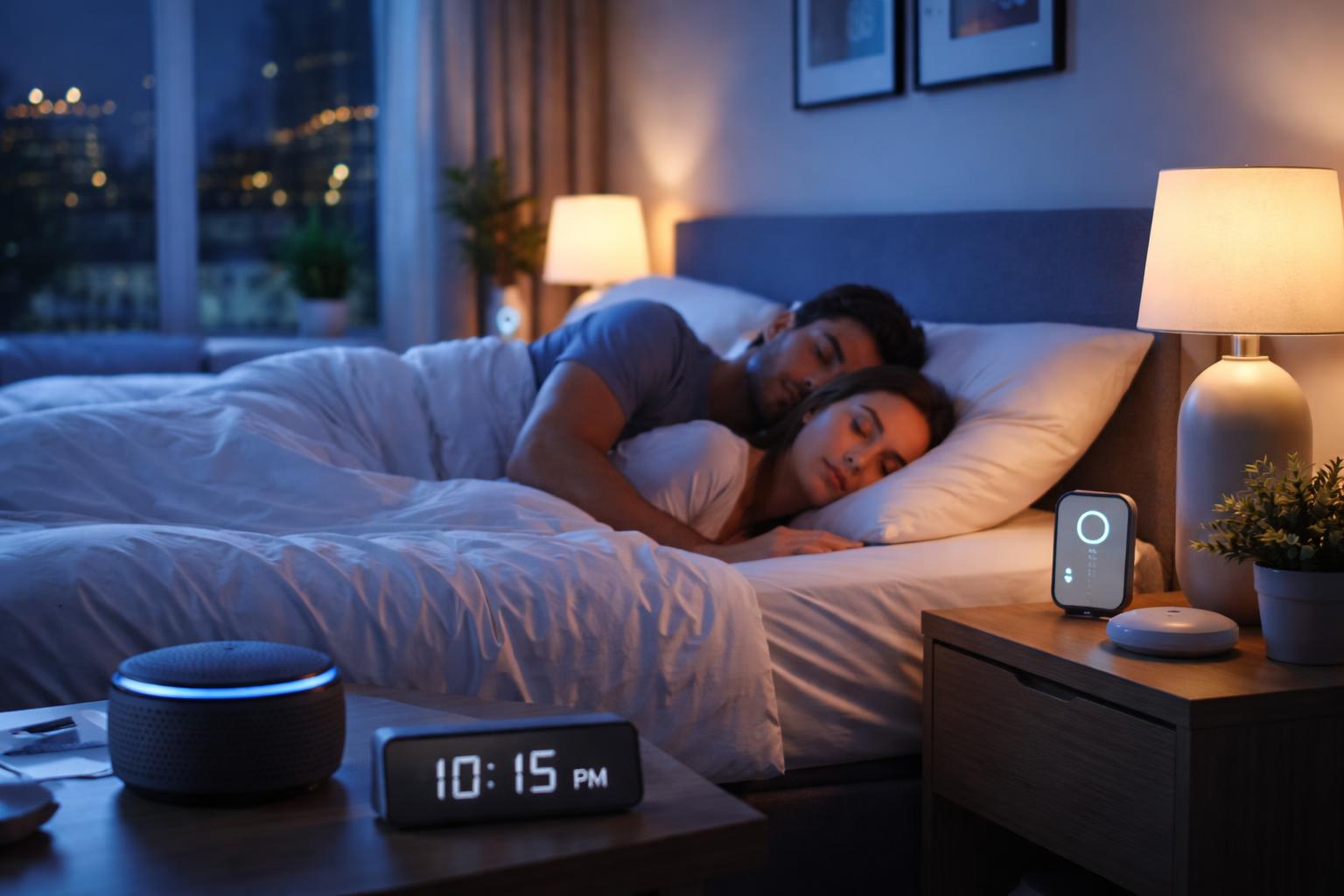
Creating the perfect smart home nighttime routine can significantly improve your sleep quality by consistently optimizing your environment for rest. By automating lighting, temperature, sound, and even scents, a smart home transforms your winding-down process into a seamless, stress-free experience, helping you fall asleep faster, sleep deeper, and wake up feeling more refreshed.
Poor sleep isn’t just an inconvenience; it impacts everything from your mood and productivity to your long-term health. Many factors contribute to restless nights, but often, it boils down to an inconsistent or unoptimized pre-sleep environment. This is where smart home automation shines. Instead of manually adjusting lights, fumbling with thermostats, or remembering to play soothing sounds, your smart home can handle it all, creating a personalized sleep sanctuary designed to gently guide you into slumber.
Imagine lights dimming naturally as evening approaches, the thermostat adjusting to your ideal sleep temperature, and calming music playing softly, all without you lifting a finger. This article will guide you through building a comprehensive smart home nighttime routine, breaking it down into phases and recommending the best devices and strategies to help you achieve the restorative sleep you deserve.
Understanding the Science of Sleep and Smart Homes
Before diving into specific devices, it’s helpful to understand why certain environmental factors are crucial for sleep. Our bodies operate on a circadian rhythm, an internal 24-hour clock that regulates sleep-wake cycles. Light, temperature, and sound profoundly influence this rhythm and the production of sleep-inducing hormones like melatonin.
- Light: Exposure to blue light from screens and bright white light in the evening can suppress melatonin production, making it harder to fall asleep. Conversely, dim, warm lighting signals to your brain that it’s time to wind down. Gentle, gradually increasing light in the morning can help you wake up more naturally, mimicking a sunrise.
- Temperature: Your body temperature naturally drops before and during sleep. A cooler room (typically between 60-67°F or 15-19°C) signals to your body that it’s time to rest, facilitating deeper sleep.
- Sound: While silence is often ideal, consistent low-level ambient noise (like white noise or nature sounds) can mask sudden disturbances, creating a more stable sleep environment. Certain soothing sounds or guided meditations can also aid relaxation.
Smart home technology empowers you to precisely control these elements. By automating changes throughout your evening and morning, you create a consistent, optimized environment that supports your body’s natural sleep processes, paving the way for better rest.
Crafting Your Smart Nighttime Routine: The Stages
Building an effective smart home sleep routine involves orchestrating your devices across three key stages: winding down, actual sleep, and gentle awakening. Each stage has unique needs that smart tech can address.
Stage 1: The Winding Down Phase (Evening Prep)
This phase typically begins 1-2 hours before your target bedtime. The goal is to gradually transition your body and mind from the day’s activities to a state of calm and readiness for sleep.
Smart Lighting for Relaxation
One of the most impactful changes you can make is with your lighting. Bright, cool-toned lights keep us alert. As bedtime approaches, you want to shift to warm, dim illumination.
- Automated Dimming and Color Temperature Shift: Schedule your smart lights to gradually dim and change to warmer hues (think oranges and reds) in the hours leading up to bed. This mimics a sunset, signaling to your body that it’s time to produce melatonin. Many smart bulbs, like Philips Hue smart bulbs, offer millions of colors and tunable white light, making them perfect for this.
- Task Lighting for Evening Activities: If you read in bed, use a smart bedside lamp that offers very warm, low light, or a dedicated reading mode to avoid bright light exposure.
Automating Temperature Control
Your body naturally cools down to initiate sleep. Pre-cooling your bedroom can significantly aid this process.
- Scheduled Temperature Setbacks: Program your Energy Star Certified Google Nest Thermostat or an Energy Star Certified Ecobee Smart Thermostat to begin lowering the temperature in your bedroom an hour or two before you plan to sleep. Aim for that ideal 60-67°F range.
- Zone Control: If you have a zoned HVAC system or smart vents, you can focus cooling specifically on your bedroom, allowing other areas of your home to remain at a different temperature.
Sounds and Scents for Serenity
Adding calming sounds and scents can further enhance relaxation, acting as powerful cues for your brain to wind down.
- Soothing Soundscapes: Use a Amazon Echo Dot smart speaker or a Google Nest Mini smart speaker to play ambient sounds like gentle rain, ocean waves, or calming instrumental music. Many smart speakers offer built-in white noise or sleep sound routines.
- Aromatherapy: Integrate a smart aroma diffuser into your routine. Schedule it to release calming essential oils like lavender or chamomile for 30 minutes before bed, creating a tranquil scent profile that signals sleep.
Securing Your Home for Peace of Mind
Anxiety about an unsecured home can disrupt sleep. Incorporating security checks into your routine offers a sense of safety.
- Automated Door Locks and Alarms: Set up a “Goodnight” scene that automatically locks all smart doors and arms your security system.
- Integrated Sensors: Motion sensors or contact sensors on windows can confirm all entry points are secured. For a broader understanding of smart home automation and securing your home, you might find our Smart Home Automation for Beginners: A Complete Checklist for 2026 helpful.
Stage 2: The Sleep Sanctuary Phase (Lights Out)
This is the moment you get into bed. Your smart home should now ensure minimal disturbance and optimal conditions for deep, uninterrupted sleep.
Achieving Complete Darkness, Smarter On
Darkness is paramount for melatonin production. Any light source can disrupt your sleep.
- Full Lights Off: A voice command to your smart speaker (“Alexa, goodnight”) or a tap on a smart switch like a Lutron Caseta smart switch can turn off all lights in the bedroom and adjacent areas. Your Philips Hue smart bulbs can be set to turn off completely or dim to their absolute lowest, warmest setting if you prefer a subtle nightlight.
- Blackout Solutions: While not strictly smart, consider pairing smart lighting with blackout blinds or curtains for complete darkness.
- Pathway Lighting: If you need to get up during the night, motion-activated smart strip lights under your bed or along a hallway can provide a very dim, warm light, preventing harsh light exposure that fully wakes you up.
Quiet Please: Noise Control
Maintaining a quiet environment is key to uninterrupted sleep.
- Consistent White Noise: Continue playing white noise or ambient sounds throughout the night using your Amazon Echo Dot smart speaker or Google Nest Mini smart speaker. This can effectively mask external noises like traffic or internal noises like a partner snoring.
- Scheduled Device Silencing: Ensure all non-essential smart device notifications are silenced during sleep hours.
Smart Bedtime Story or Meditation
For some, a guided meditation or a calming story can be the final step to drifting off.
- Voice Assistant Integration: Ask your smart speaker, such as an Amazon Echo Dot or Google Nest Mini, to play a sleep story or guided meditation from a preferred service.
Stage 3: The Gentle Awakening Phase (Morning Transition)
Waking up can be just as important as falling asleep. A jarring alarm or sudden bright lights can be stressful. A smart home can provide a much more natural and gentle transition from sleep to wakefulness.
Sunrise Simulation
Mimicking a natural sunrise can gradually wake you up without the shock of an alarm clock.
- Gradual Light Increase: Program your Philips Hue smart bulbs to begin gradually brightening 30 minutes before your alarm time. Start with a very dim, warm light and slowly increase its intensity and shift to cooler white tones, mimicking the natural progression of morning light. This helps gently bring you out of deeper sleep stages.
Gradual Temperature Adjustment
Waking up to a cold room can be unpleasant. Your smart thermostat can prepare your environment.
- Pre-Wake Up Warm-up: Schedule your Energy Star Certified Google Nest Thermostat or Energy Star Certified Ecobee Smart Thermostat to subtly raise the bedroom temperature to your preferred waking temperature about 20-30 minutes before you need to get up.
Soft Morning Sounds
Replace harsh alarm clocks with more pleasant sounds.
- Gentle Alarms and News Briefings: Instead of a blaring alarm, set your Amazon Echo Dot smart speaker or Google Nest Mini smart speaker to play a gentle melody, nature sounds, or even a personalized news briefing at your wake-up time. Many smart speakers offer “routines” that can combine these actions.
Building Your Smart Sleep Routine: A Step-by-Step Guide
Ready to create your own smart sleep sanctuary? Follow these steps to get started:
1. Identify Your Sleep Challenges
Before buying any devices, consider your current sleep issues. Do you struggle to fall asleep? Wake up frequently? Find it hard to get out of bed in the morning? Understanding your specific pain points will help you prioritize which smart solutions to implement first.
2. Choose Your Smart Devices
Start with a core set of devices that address your primary concerns. You don’t need everything at once.
- Smart Lights: Begin with smart bulbs for your bedroom and perhaps a bedside lamp. Philips Hue smart bulbs are a popular choice for their color versatility and ease of use.
- Smart Thermostat: An Energy Star Certified Google Nest Thermostat or an Energy Star Certified Ecobee Smart Thermostat is excellent for automated temperature control.
- Smart Speaker: An Amazon Echo Dot smart speaker or a Google Nest Mini smart speaker is invaluable for voice control, sounds, and integrating routines.
- Consider Smart Plugs or Switches: If you have non-smart devices you want to control (like a fan or a traditional lamp), Lutron Caseta smart switches or smart plugs can bring them into your smart home ecosystem.
- Smart Aroma Diffuser: A smart aroma diffuser adds another layer of sensory comfort.
3. Plan Your Routines and Scenes
Most smart home ecosystems (like Amazon Alexa, Google Home, Apple HomeKit, or a dedicated hub) allow you to create custom routines or scenes. Think about what you want to happen at different times:
- “Good Evening” or “Wind Down” Scene: Start 1-2 hours before bed. Lights dim and warm, thermostat lowers, calming music or sounds begin.
- “Goodnight” Scene: Triggered when you get into bed. All lights off, white noise on, doors locked, security armed.
- “Good Morning” or “Wake Up” Scene: Starts 30-60 minutes before your alarm. Lights gradually brighten, thermostat raises, gentle alarm/news briefing plays.
4. Test and Refine
Once your routines are set up, test them out! Pay attention to what works and what doesn’t. You might need to adjust timings, light intensities, temperatures, or sound volumes. Personalization is key to finding your perfect routine.
Comparing Key Smart Devices for a Better Night’s Sleep
To help you visualize how different smart home categories contribute to sleep, here’s a brief comparison of some essential devices:
| Smart Home Device Category | Primary Sleep Benefit | Example Integration for Routine |
|---|---|---|
| Smart Lighting | Regulates circadian rhythm; creates calming ambiance; provides gentle wake-up. | Set Philips Hue smart bulbs to dim to warm orange an hour before bed and gradually brighten like a sunrise in the morning. |
| Smart Thermostats | Maintains optimal sleep temperature; improves comfort; saves energy. | Automatically lower temperature with an Energy Star Certified Google Nest Thermostat or Energy Star Certified Ecobee Smart Thermostat at bedtime and slowly raise it an hour before waking. |
| Smart Speakers/Displays | Provides soothing sounds; offers guided meditations; manages routines with voice. | Play white noise or a sleep story on command using an Amazon Echo Dot smart speaker or Google Nest Mini smart speaker; announce “Goodnight” and activate a sleep scene. |
| Smart Plugs/Switches | Ensures all lights/devices are off; automates non-smart devices; enhances security. | Turn off bedside lamp, fan, or any non-smart device using a Lutron Caseta smart switch when the “Goodnight” routine is activated. |
| Smart Aroma Diffusers | Promotes relaxation; helps clear airways; creates a sensory cue for sleep. | Diffuse lavender essential oil with a smart aroma diffuser as part of your “Winding Down” routine. |
Frequently Asked Questions About Smart Sleep Routines
Q1: Do smart home devices really improve sleep?
Yes, for many people, smart home devices can significantly improve sleep quality. By automating environmental factors like lighting, temperature, and sound, they help create a consistent, optimized sleep environment that supports your body’s natural sleep-wake cycle. This consistency and optimization can lead to faster sleep onset, deeper sleep, and more natural awakenings.
Q2: What’s the best smart device to start with for better sleep?
If you’re just starting, smart lighting, such as Philips Hue smart bulbs, is often the most impactful first step. Being able to control color temperature and dimming throughout the evening can have a profound effect on melatonin production. A smart speaker like an Amazon Echo Dot smart speaker or a Google Nest Mini smart speaker is also a great starting point, as it provides voice control and access to soothing sounds or guided meditations.
Q3: Can I integrate devices from different brands into one sleep routine?
Absolutely. Most modern smart home ecosystems (like Amazon Alexa, Google Home, and Apple HomeKit) are designed to be interoperable with a wide range of brands. For example, you can often control Philips Hue smart bulbs, an Energy Star Certified Ecobee Smart Thermostat, and an smart aroma diffuser all through your Amazon Echo Dot or Google Nest Mini voice assistant by creating a unified routine.
Q4: How do I prevent smart devices from disturbing my sleep?
Careful planning is key. Ensure your “Goodnight” routine includes silencing all unnecessary notifications, setting lights to turn completely off (or to a minimal, warm nightlight setting), and maintaining a consistent volume for any ambient sounds. If you use motion-activated pathway lighting, ensure it’s set to a very dim, warm color to avoid disrupting sleep entirely.
Q5: Is it complicated to set up these routines?
While the initial setup of individual devices takes some time, creating routines is generally user-friendly. Most smart home apps offer intuitive interfaces for building scenes and automations. Starting with simple routines and gradually adding more complexity as you become comfortable is a great approach. Many platforms also offer pre-built sleep routines that you can customize.
Conclusion
A smart home nighttime routine isn’t just about convenience; it’s about investing in your health and well-being. By thoughtfully integrating smart lighting, temperature control, sound, and other elements, you can create an environment that actively supports deep, restorative sleep. Start small, experiment with what works best for you, and gradually build a routine that transforms your bedroom into the ultimate sleep sanctuary. The path to better sleep is literally at your fingertips.