
Is a Smart Electrical Panel Worth It Without Solar? Unpacking the Benefits
Do you ever get your energy bill and wonder exactly where all that money went? You’re not alone. Many homeowners feel a bit in the dark about their home’s electricity usage, especially when those numbers keep climbing.
What Exactly is a Smart Electrical Panel?
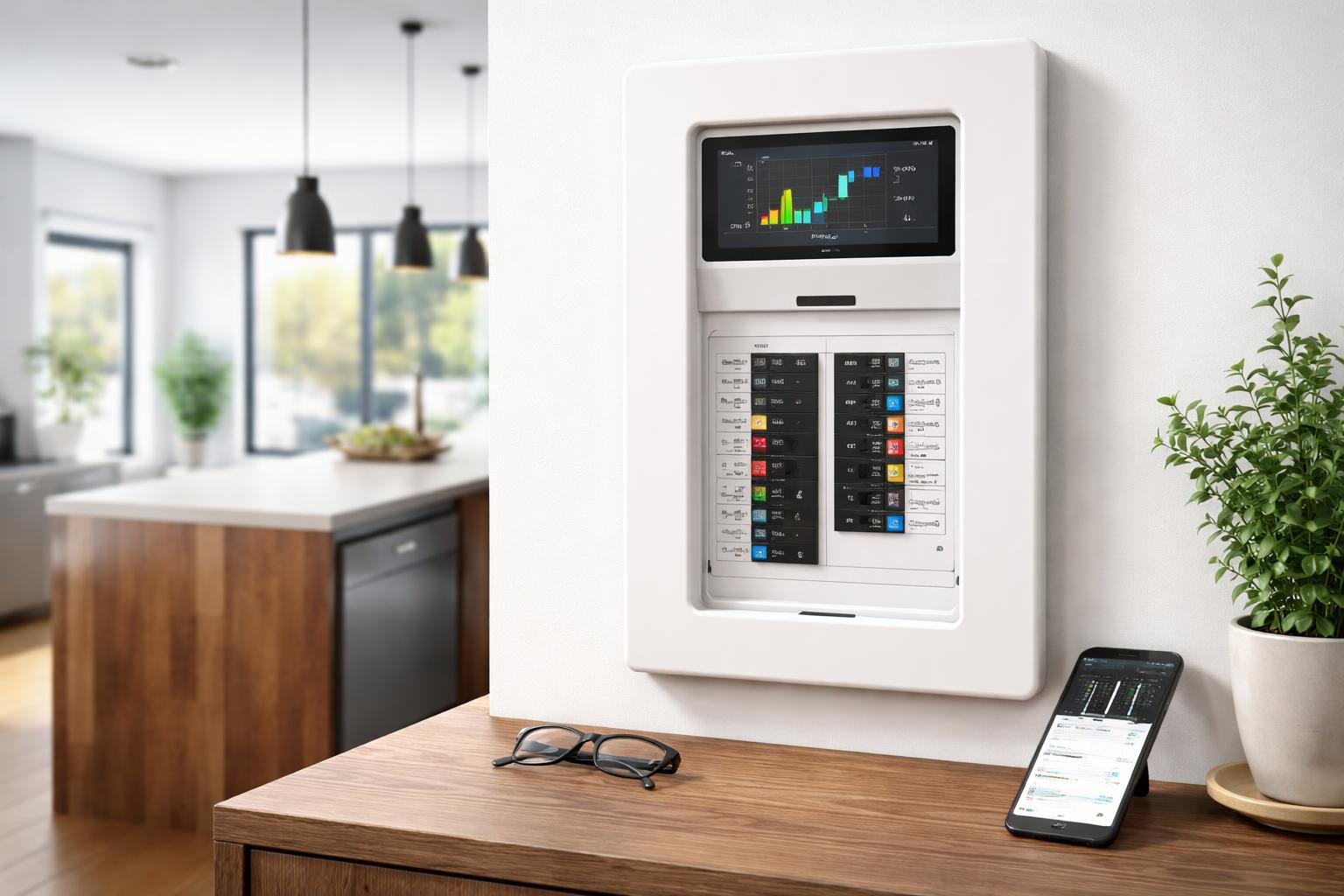
Think of your home's electrical panel as its electrical brain. It takes power from the grid and distributes it to every light, outlet, and appliance in your house.A smart electrical panel takes that brainpower to the next level. It’s an upgraded version that adds digital intelligence. This allows it to monitor, manage, and even control your home’s electricity in real-time.
Instead of just flipping breakers by hand, you get insights and control through an app on your phone. It brings your home’s power system into the modern smart home era.
How a Smart Panel Can Help Your Home (Even Without Solar)
You might associate smart electrical panels with solar panels or home batteries, and it’s true they work well together. But even if you have no plans for solar, a smart panel offers significant benefits for any home.Smarter Energy Monitoring
The biggest immediate benefit is seeing exactly where your electricity goes. A smart panel tracks usage down to individual circuits.You can see how much power your dryer uses, how much your kitchen appliances consume, or even identify a “phantom load” from an old, inefficient freezer in your garage. This detailed view means no more guessing.
You can identify energy hogs and make informed decisions, like running the dishwasher at night when electricity rates are lower, or deciding if it’s finally time to replace that power-hungry old refrigerator. Many homeowners are surprised to find an old water heater or furnace fan drawing constant, significant power, which a smart panel immediately highlights.
Better Energy Management and Control
Beyond just monitoring, a smart panel gives you control. You can turn individual circuits on or off from your phone, no matter where you are.Forgot to turn off the water heater before a vacation? No problem. Want to make sure a specific appliance isn’t drawing power overnight? You can schedule it to switch off. This level of control helps you conserve energy effortlessly.
It also means you can remotely manage power for specific needs, like temporarily turning off power to a child’s gaming console or ensuring a workshop circuit is off when you’re not home. However, it’s important to remember that working with your main electrical panel is serious business. While the app provides control, any physical changes or installations must always be handled by a licensed electrician to avoid serious safety hazards or damage.
Enhanced Safety Features
Smart panels often come with advanced safety features built in. They can detect issues like arcing faults, which are a common cause of electrical fires, and immediately shut off the circuit.They also provide immediate alerts to your phone if there’s an overload or an unexpected power draw. This early detection can prevent damage to appliances and significantly improve your home’s overall electrical safety.
Imagine getting an alert that a circuit in your garage is drawing too much power, potentially before a breaker even trips. This proactive safety gives you valuable peace of mind.
Preparing for the Future
Even without solar today, your home's energy needs are likely to change. Electric vehicles (EVs) are becoming more common, and home battery storage is gaining popularity.A smart electrical panel is built to handle these future additions easily. It provides the necessary infrastructure and intelligence to integrate new energy sources and demands without a complete overhaul later on. It’s an investment that future-proofs your home’s electrical system.
Smart Panel Options for Your Home
When considering a smart panel, you generally have a few different approaches. Some options replace your entire existing electrical panel, while others integrate smart technology into your current setup.The Span Smart Panel
The Span Smart Panel is a full replacement for your existing electrical panel. It's often considered the gold standard for comprehensive energy management.It’s best for homeowners who want complete, circuit-level monitoring and control, especially those who anticipate adding solar, battery storage, or EV charging in the future. Span offers an intuitive app that breaks down energy usage in incredible detail.
A limitation is that it requires professional installation and involves replacing your entire existing electrical panel, which can be a significant undertaking and might require permits depending on your local regulations. This isn’t a DIY project.
Leviton Load Centers with Smart Breakers
Leviton offers Leviton Load Centers with Smart Breakers. These are traditional electrical panels, but they use smart circuit breakers that communicate wirelessly.This option is best for those upgrading an older panel or looking for circuit-level monitoring and control within a more conventional electrical system. You can replace individual breakers with smart ones, giving you granular insights into specific circuits.
A limitation here is that while the breakers are smart, the panel itself is more conventional. You’ll still need professional installation for the load center and specialized smart breakers, and the full future-proofing capabilities might not be as expansive as a dedicated smart panel like Span.
Schneider Electric Square D Energy Center
The Schneider Electric Square D Energy Center is another integrated solution, often designed for new builds or major renovations where a comprehensive home energy system is being planned from the ground up.It’s best for homeowners, builders, or remodelers looking for a complete energy management solution that can easily integrate solar, battery storage, and EV charging with a centralized control point.
A limitation is that this system is often designed as a holistic solution. It might be less practical or cost-effective for a simple retrofit into an older home’s existing electrical system compared to other options.
Alternative: Whole-Home Energy Monitors
If replacing your entire electrical panel isn't in your immediate plans, a whole-home energy monitor offers a great first step. Devices like the Emporia Smart Home Energy Monitor clip onto your existing electrical wires within your current panel.These monitors are best for homeowners who primarily want detailed energy usage data without the expense or complexity of replacing their main panel. They provide real-time monitoring and often circuit-level insights using sensors attached to individual circuits.
The main limitation is that while they monitor, they generally don’t offer the remote control or active management capabilities of a full smart panel. They’re about observation, not intervention.
What to Look For Before You Buy
- Professional Installation: Smart panels and smart breakers require a licensed electrician. Never attempt this yourself, as it involves working with high voltage and can be dangerous if not done correctly.
- Compatibility with Your Existing Setup: Make sure the smart panel or smart breakers you choose are compatible with your home's current electrical service and available space in your existing panel. Older homes might have specific wiring that needs addressing.
- Features You Actually Need: Do you need remote circuit control, or is detailed monitoring enough? Decide which features are most important for your lifestyle and energy goals.
- App Experience and Integrations: Check reviews for the accompanying mobile app. An intuitive app is crucial for getting the most out of your smart panel. Also, consider if it integrates with other smart home platforms you use, like Google Home or Amazon Alexa.
- Future-Proofing Capabilities: If you foresee adding an EV charger, solar panels, or battery storage in the next few years, choose a system designed to accommodate those additions easily.
Comparison Table: Smart Panels vs. Smart Energy Monitors
| Feature | Full Smart Electrical Panel (e.g., Span) | Smart Energy Monitor (e.g., Emporia) |
|---|---|---|
| Core Function | Replaces existing panel, manages and monitors all electricity. | Adds monitoring capabilities to your existing panel. |
| Installation | Full professional electrical replacement required. | Professional or advanced DIY electrical installation required (within existing panel). |
| Circuit Control | Yes, remote on/off for individual circuits via app. | No, monitoring only. |
| Detailed Monitoring | Yes, precise, real-time circuit-level data. | Yes, often precise, real-time circuit-level data (with current clamps). |
| Future Integration (Solar/EV) | Built for future integration and management. | Provides data, but not active management of future energy sources. |
| Cost & Complexity | Higher initial cost, more complex installation. | Lower initial cost, simpler installation process. |
| Safety Features | Advanced fault detection and prevention built-in. | Monitors for unusual draws, but not active fault prevention. |
Who Should Buy This
The Energy-Conscious Homeowner: If you're constantly looking for ways to reduce your energy bill and want a deep understanding of your home's electricity use, a smart panel or monitor is for you. You're ready to make informed decisions and take action based on real data.The Future-Ready Homeowner: If you’re planning for an electric vehicle, considering solar panels down the line, or simply want your home to be ready for the next generation of energy management, a smart panel offers the infrastructure you’ll need. It’s about proactive preparation for a smarter home.
The Safety-Minded Homeowner: For those who prioritize peace of mind, the enhanced safety features of a smart panel are a major draw. Knowing your electrical system is actively monitoring for potential hazards and can alert you immediately adds a significant layer of protection to your home. You can also automate elements of your home for security, like smart lights, by reviewing our guide on Smart Home Routines That Actually Save You Time & Money.
Frequently Asked Questions
Do I need solar panels for a smart electrical panel to be useful?
Absolutely not. While smart panels integrate beautifully with solar, they offer significant benefits like detailed energy monitoring, remote control, and enhanced safety for any homeowner, regardless of whether you have solar or plan to install it.Is a smart panel difficult to install?
Yes, installing a smart electrical panel is a complex job that requires a licensed electrician. It involves replacing your home's main electrical panel and should never be attempted as a DIY project due to safety risks.Can a smart panel save me money on my electricity bill?
Yes, a smart panel can definitely help you save money. By giving you detailed insights into your energy consumption, it helps you identify inefficient appliances and change habits to reduce waste, leading to lower monthly bills.What happens if my internet goes out?
Even if your internet connection goes down, a smart electrical panel will continue to function as a regular electrical panel, safely distributing power. You might temporarily lose access to the app's remote control and monitoring features until your internet is restored.Are smart electrical panels safe?
Yes, when properly installed by a licensed professional, smart electrical panels are very safe. In fact, many models include advanced safety features like arc fault detection that can make your home's electrical system even safer than a traditional panel.Final Verdict
Even without solar, a smart electrical panel is a powerful upgrade for your home, offering unmatched energy insight, control, and safety. If your budget allows and you're ready for the most comprehensive solution that truly future-proofs your home, the Span Smart Panel is the clear winner for its advanced features and holistic energy management capabilities. However, if a full panel replacement is too big a step right now, starting with a whole-home energy monitor is an excellent way to gain valuable insights into your energy consumption and start your journey towards a smarter, more efficient home.Speak to a local, licensed electrician today to discuss which option is best for your home and local electrical codes.