
Disclosure: This article contains affiliate links. As an Amazon Associate, we earn from qualifying purchases at no extra cost to you.
How Much Energy Can a Smart Thermostat Really Save You Annually?
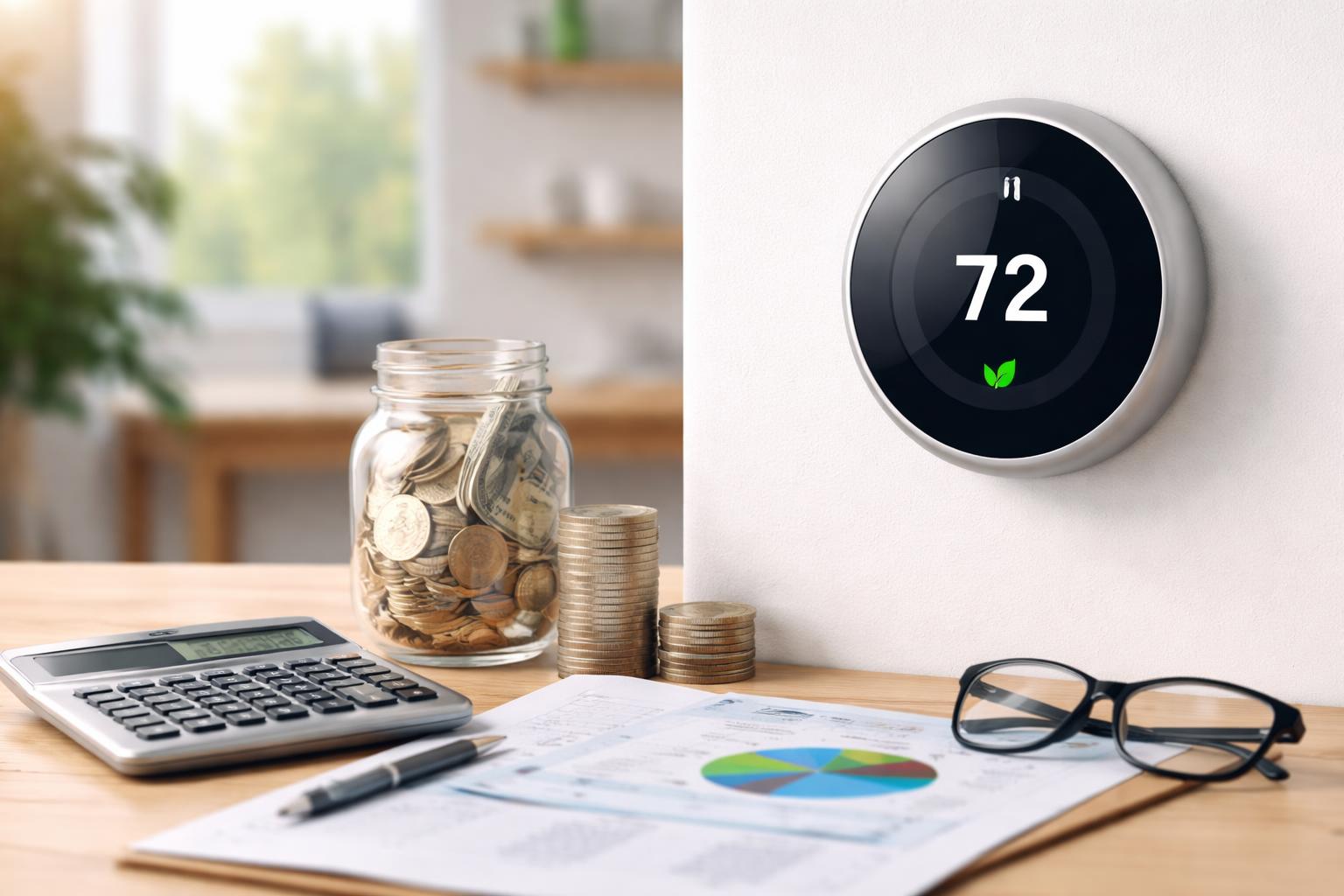
Smart thermostats are more than just fancy gadgets; they’re powerful tools designed to optimize your home’s heating and cooling, which is often the largest portion of a household’s energy bill. So, how much energy can a smart thermostat really save you annually? On average, smart thermostats can help homeowners save between 10% and 20% on their heating and cooling costs each year. For many households, this translates to tangible savings, often ranging from $50 to $150 or even more annually, though the precise figures depend on a variety of factors including your climate, home insulation, existing habits, and local utility rates. These innovative devices leverage advanced technology to learn your preferences, adapt to your schedule, and respond to environmental changes, making your home more comfortable while significantly reducing energy waste.
Understanding How Smart Thermostats Drive Savings
Traditional thermostats simply turn your HVAC system on or off based on a set temperature. Smart thermostats, however, employ a suite of sophisticated features to manage your home’s climate more intelligently and efficiently. They don’t just react; they anticipate and adapt.
Learning Capabilities and Adaptive Scheduling
One of the most touted features of leading smart thermostats is their ability to learn. Devices like the Google Nest Learning Thermostat observe your temperature preferences and daily routines over time. As you adjust the temperature manually, the thermostat learns when you prefer certain temperatures and begins to build a schedule around your habits. This goes beyond simple programmable thermostats, which require you to manually input a schedule that often becomes outdated. A smart thermostat continuously refines its schedule, ensuring you’re comfortable when you’re home and saving energy when you’re away or asleep.
Geofencing Technology
Many smart thermostats come equipped with geofencing capabilities. This feature uses your smartphone’s location to detect when you leave or approach your home. As you drive away, the thermostat can automatically set itself to an energy-saving temperature, and as you head back, it can begin pre-heating or pre-cooling your home so it’s comfortable by the time you arrive. This eliminates the need to manually adjust the thermostat every time you leave or return, preventing you from heating or cooling an empty house and ensuring maximum efficiency without sacrificing comfort.
Remote Access and Control
The ability to control your thermostat from anywhere via a smartphone app is a powerful tool. Forgot to turn down the heat before leaving for vacation? No problem. Stuck in traffic and want to ensure your home is cool when you walk in the door? A few taps on your phone are all it takes. This remote access empowers you to make real-time adjustments, preventing energy waste from unexpected schedule changes and giving you complete command over your home’s climate, even if you’re thousands of miles away.
Utilizing Room Sensors for Zoned Comfort
Some smart thermostats, such as the ecobee Smart Thermostat, extend their intelligence beyond a single central point by incorporating remote sensors. These small devices can be placed in different rooms throughout your home to detect both temperature and occupancy. Instead of just relying on the temperature in one hallway, the system can get a more accurate picture of your home’s thermal landscape. If the living room is your primary gathering space, the thermostat can prioritize its temperature, ensuring comfort where it matters most and preventing over-conditioning other unused areas. This approach to “zoned” comfort eliminates hot and cold spots, making your entire home more uniformly comfortable while optimizing energy use.
Energy Reports and Insights
Knowledge is power, especially when it comes to energy consumption. Most smart thermostats provide detailed energy usage reports, often accessible through their companion apps. These reports can show you how much energy your heating and cooling system used over a day, week, or month, and even highlight trends or specific events that led to higher usage. Some even offer personalized tips on how to further reduce your energy footprint. By understanding your usage patterns, you can make informed decisions and fine-tune your settings for even greater savings.
Factors That Influence Your Potential Savings
While the 10-20% savings figure is a good guideline, your actual savings can vary significantly based on several key factors.
Your Climate and Local Utility Rates
Homeowners in regions with extreme hot or cold climates typically see higher potential savings because their HVAC systems work harder and consume more energy. A 10% saving on a larger bill will naturally be a larger dollar amount. Similarly, areas with higher electricity or gas rates will experience greater financial benefits from reduced consumption.
Your Home’s Existing Insulation and Efficiency
A well-insulated home with efficient windows and sealed drafts will naturally retain conditioned air better, meaning your HVAC system doesn’t have to work as hard. While a smart thermostat will still optimize energy use, the overall impact might be less dramatic than in a poorly insulated home where the system is constantly struggling to maintain temperature. Investing in home weatherization alongside a smart thermostat can amplify your savings.
Your Habits Before Installation
This is one of the most significant factors. If you were diligent about manually adjusting your thermostat when leaving home or going to bed, your smart thermostat might offer incremental, but still valuable, improvements in efficiency. However, if you typically left your thermostat at a comfortable temperature all day, every day, regardless of occupancy, then a smart thermostat’s automated adjustments and learning capabilities will likely lead to substantial savings. The bigger your “waste” before, the larger your potential “gain” after.
The Specific Smart Thermostat Model
Different models offer varying features and levels of sophistication. A basic smart thermostat with remote control and scheduling will save you energy, but models with geofencing, multi-room sensors, and advanced learning algorithms, like the Honeywell Home Smart Thermostat, often provide more nuanced optimization and therefore potentially higher savings.
Estimating Your Personal Savings Potential
To get a rough idea of your potential savings, consider your annual heating and cooling costs. If these costs average $1,000 per year, a 10% saving would be $100, and a 20% saving would be $200. Remember, these are estimates, and your actual results may vary.
Below is a comparison table outlining key energy-saving features of some popular smart thermostat models, which can help you understand how different functionalities contribute to efficiency.
| Feature Category | Google Nest Learning Thermostat | ecobee Smart Thermostat Premium | Honeywell Home T9 Smart Thermostat |
|---|---|---|---|
| Learning Algorithm | Yes (learns your schedule over time) | No (advanced programming features) | No (advanced programming features) |
| Geofencing | Yes (via Nest app or Google Home app) | Yes (via ecobee app) | Yes (via Resideo app) |
| Room Sensors | Available (sold separately) | Included (with Premium model) | Included (one sensor with base model) |
| Remote Access | Yes (via app) | Yes (via app) | Yes (via app) |
| Energy Reports & Insights | Yes (Nest Home Report) | Yes (Home IQ) | Yes (usage reporting) |
| Smart Home Integration | Google Home, Alexa | Alexa, Google Home, Apple HomeKit | Alexa, Google Home |
| HVAC Monitoring | Basic alerts | Advanced diagnostics & alerts | Filter reminders, basic alerts |
Maximizing Your Smart Thermostat Savings
Simply installing a smart thermostat isn’t enough; actively utilizing its features will unlock its full potential.
For a broader perspective on integrating smart devices into your home, consider checking out our Smart Home Automation for Beginners: A Complete Checklist for 2026.
Embrace the Learning Process
If your thermostat has learning capabilities, allow it time to understand your patterns. Don’t constantly override its suggestions in the first few weeks. The more consistent you are with your initial adjustments, the faster and more accurately it will learn your preferences.
Optimize Geofencing Settings
Ensure geofencing is activated for all household members’ phones to prevent the system from getting confused if one person is home while others are out. Experiment with the “away” temperature settings to find the sweet spot between comfort upon return and maximum energy savings.
Strategically Place Room Sensors
If your thermostat uses room sensors, place them in the rooms you use most frequently, especially those that tend to be warmer or cooler than the rest of the house. This ensures your thermostat is heating or cooling based on the conditions in your actual living spaces, not just a hallway.
Review Energy Reports Regularly
Take advantage of the energy reports your smart thermostat provides. These insights can highlight periods of high usage and help you identify if certain settings or habits are costing you more than necessary. Use this data to fine-tune your schedules and preferences.
Leverage Vacation Mode
Before leaving for an extended period, activate your thermostat’s vacation mode. This sets your home to an optimal energy-saving temperature range, preventing pipes from freezing in winter and protecting electronics from extreme heat in summer, all while minimizing energy consumption.
Beyond Energy Savings: Additional Benefits
While energy savings are a primary driver for adopting smart thermostats, they offer a host of other advantages that enhance your home’s comfort and convenience.
Enhanced Comfort
By learning your preferences and using multiple sensors, smart thermostats can create a more consistently comfortable environment throughout your home, eliminating those frustrating hot and cold spots. The ability to pre-condition your home before you arrive means you always walk into a welcoming atmosphere.
Convenience and Control
The sheer convenience of managing your home’s climate from anywhere is invaluable. No more running downstairs to adjust the thermostat in the middle of the night, or worrying if you left the AC blasting while you’re at work. Integration with voice assistants like Alexa and Google Assistant adds another layer of hands-free convenience.
Environmental Impact
Reducing your energy consumption not only saves you money but also lessens your carbon footprint. By making your home more energy-efficient, you contribute to a more sustainable planet.
Preventative Maintenance and Alerts
Some advanced smart thermostats can monitor your HVAC system’s performance, providing alerts if something seems amiss or if it’s time for a filter change. This can help you catch minor issues before they become costly major repairs, extending the life of your heating and cooling equipment.
Choosing the Right Smart Thermostat for Your Home
With several excellent options on the market, selecting the right smart thermostat depends on your specific needs and existing smart home ecosystem.
For those who appreciate an intuitive, learning approach that adapts to your lifestyle, the Google Nest Learning Thermostat is a prime contender. It excels at building a personalized schedule without much input from you, making it truly “set and forget.”
If multi-room comfort and comprehensive insights are your priority, the ecobee Smart Thermostat often stands out. Its reliance on external room sensors ensures that your home’s temperature is balanced across different living spaces, and its Home IQ feature provides detailed energy analysis.
For robust performance, geofencing, and room-by-room temperature balancing, the Honeywell Home Smart Thermostat offers a reliable solution. It combines advanced scheduling with the ability to prioritize comfort in specific rooms, making it a strong choice for many households.
Consider factors like whether you already use Google Home or Amazon Alexa, if your home has significant temperature variations between rooms, and how much you want the thermostat to “learn” versus how much you prefer to program yourself.
Frequently Asked Questions About Smart Thermostat Savings
Q1: Are smart thermostats difficult to install?
Most smart thermostats are designed for DIY installation, typically taking 15-45 minutes. They come with clear instructions and often in-app guides. However, if you’re uncomfortable with basic wiring or your home’s wiring is complex (e.g., lacks a common “C-wire”), professional installation might be a better option.
Q2: Do I need a C-wire for a smart thermostat?
Many smart thermostats, especially those with advanced features like touchscreens and Wi-Fi connectivity, require a C-wire (common wire) to provide continuous power. Some models include a power extender kit to work around this, while others can operate without one using battery power, but this might limit certain features or require frequent battery changes. Always check the specific thermostat’s requirements.
Q3: Can a smart thermostat really make my home more comfortable?
Yes, absolutely. By learning your preferences, using remote sensors to eliminate hot/cold spots, and allowing remote pre-heating or cooling, smart thermostats create a more consistent and responsive climate. They ensure your home is at your desired temperature when you’re there and adjust to save energy when you’re not.
Q4: How quickly do smart thermostats pay for themselves?
The payback period for a smart thermostat varies widely. Based on average savings, many homeowners can expect their smart thermostat to pay for itself within one to three years. This timeline depends on the device’s upfront investment, your local utility rates, and how much energy you were previously wasting.
Q5: Are smart thermostats secure from hacking?
Reputable smart thermostat brands employ robust encryption and security protocols to protect your data and prevent unauthorized access. It’s crucial to use strong, unique passwords for your Wi-Fi network and thermostat app, keep the device’s firmware updated, and use two-factor authentication if available, just as you would with any other smart home device.
Conclusion
A smart thermostat is an investment that truly pays off, both in terms of financial savings and enhanced home comfort. By intelligently managing your heating and cooling, these devices can significantly reduce your annual energy bills, often by 10% to 20% or more. The combination of learning algorithms, geofencing, remote access, and advanced sensing capabilities ensures that your home is always at the optimal temperature, minimizing waste and maximizing efficiency. Beyond the numbers, you’ll gain unparalleled convenience, contribute to environmental sustainability, and enjoy a more consistently comfortable living space. If you’re looking to upgrade your home and make a tangible difference in your energy consumption, a smart thermostat is undoubtedly one of the most effective smart home devices you can choose.