
How Circadian Lighting Can Improve Your Sleep (And How to Set It Up)
Why Your Lights Keep You Awake
You might feel wide awake at 11:00 PM because your bright, blue-tinted ceiling lights are signaling your brain that it is still midday. This suppression of melatonin, the hormone that tells your body it is time to wind down, often stems from modern lighting that stays a harsh, static white regardless of the time.
What is Circadian Lighting?
Circadian lighting mimics the natural shift of the sun throughout the day to support your internal biological clock. In the morning, it provides cool, bright light to boost alertness and suppress melatonin. As evening approaches, the system gradually shifts to warmer, dimmer tones to prepare your body for deep, restorative sleep.
By automating your indoor environment, you reduce the physiological conflict between your lifestyle and your biology. This approach is not about fancy effects; it is about providing the right light at the right time to help you fall asleep faster and wake up feeling refreshed.
Top Smart Lighting Options
If you want to start improving your sleep cycle, you need bulbs that offer a wide range of color temperatures. Not all smart bulbs are created equal in this regard.
Philips Hue White Ambiance
The Philips Hue White Ambiance is best for homeowners who want a stable, high-quality ecosystem that performs reliably for years. It allows for a vast spectrum of warm-to-cool whites, making it perfect for custom scheduling.
Limitation: You must purchase a separate bridge hub to get the most consistent and responsive performance, which adds to the initial setup cost.
Aqara LED Strip T1
The Aqara LED Strip T1 is best for those looking to add accent lighting under cabinets or behind bedroom headboards to assist with relaxation routines. It integrates well with various smart home platforms and offers smooth transitions between color temperatures.
Limitation: Because these are adhesive strips, they can be difficult to reposition once placed, so plan your layout carefully before removing the backing.
Nanoleaf Essentials
The Nanoleaf Essentials bulbs are best for beginners who want a quick, entry-level way to experiment with circadian features without investing in a complex hub system. They use Thread technology for a fast and stable connection.
Limitation: The mobile app interface can be slightly overwhelming for users who simply want a "set it and forget it" experience without navigating dozens of advanced settings.
What to Look For Before You Buy
- Color Temperature Range: Ensure the bulb supports at least 2000K (very warm) to 6500K (daylight blue) to properly mimic sunrise and sunset.
- App Scheduling Capabilities: Look for systems that allow "adaptive" or "circadian" modes which automatically adjust light settings throughout the day based on your location.
- Ecosystem Compatibility: Verify that the lights work with your current voice assistant or hub, such as Apple Home, Google Home, or Amazon Alexa, to avoid frustration.
- Brightness Levels: Check the lumen output to ensure the bulbs are bright enough for your daily tasks while still being dimmable enough for nighttime relaxation.
Comparison of Circadian-Ready Smart Lights
| Product | Best Feature | Requires Hub |
|---|---|---|
| Philips Hue | Rock-solid reliability | Yes |
| Aqara LED Strip | Flexible placement | Yes |
| Nanoleaf Essentials | Low barrier to entry | No |
A Common Mistake to Avoid
Many homeowners make the mistake of setting their lights to change color temperature too abruptly, which can be jarring and actually disrupt your focus. Instead of switching from "Cool" to "Warm" at a single minute, use a gradual 30-to-60-minute transition in your app settings. This slow fade allows your eyes and brain to adjust, mimicking the gradual loss of daylight that occurs naturally outdoors.
Installation Tip for Better Results
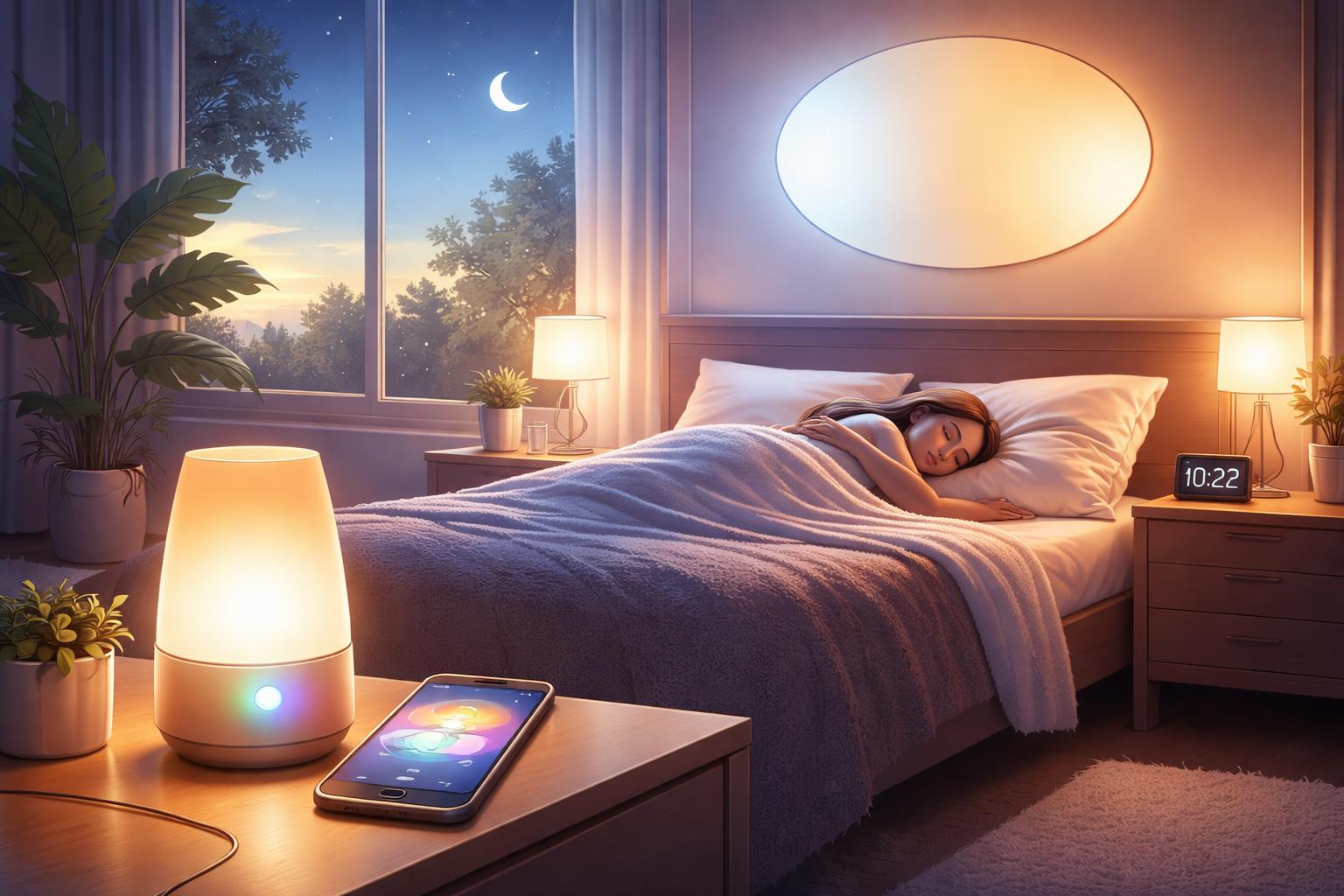
If you are installing smart bulbs in a bedroom, place them in lamps rather than overhead recessed cans if possible. Ceiling-mounted lights point down directly into your eyes, which is more stimulating than light that reflects off a wall or is diffused through a lampshade. Position your lamp to provide ambient, indirect light for the most relaxing effect in the hour before bed.
Frequently Asked Questions
Do I need to replace all the lights in my house at once?
No, start with the rooms where you spend the most time in the evening, such as your bedroom or living room. You can gradually add more bulbs as your budget and needs evolve.
Will these lights work if my internet goes down?
Most modern smart bulbs can still be controlled by their wall switches or local hubs if the internet fails. However, you will temporarily lose the ability to manage schedules through the mobile app until the connection is restored.
Can these lights help with seasonal mood changes?
Many users find that high-intensity, daylight-spectrum lighting in the morning helps combat the "winter blues" caused by shorter days. You can set your morning routine to reach peak brightness early to help wake up your system.
Final Verdict
If you want the most reliable and effective circadian lighting experience, the Philips Hue White Ambiance is the clear winner for its superior color rendering and stable performance. While it requires a hub, the peace of mind and consistency it brings to your sleep routine are worth the investment. To begin your journey toward better rest, purchase your first two-pack of bulbs and install them in your bedside lamps today.