
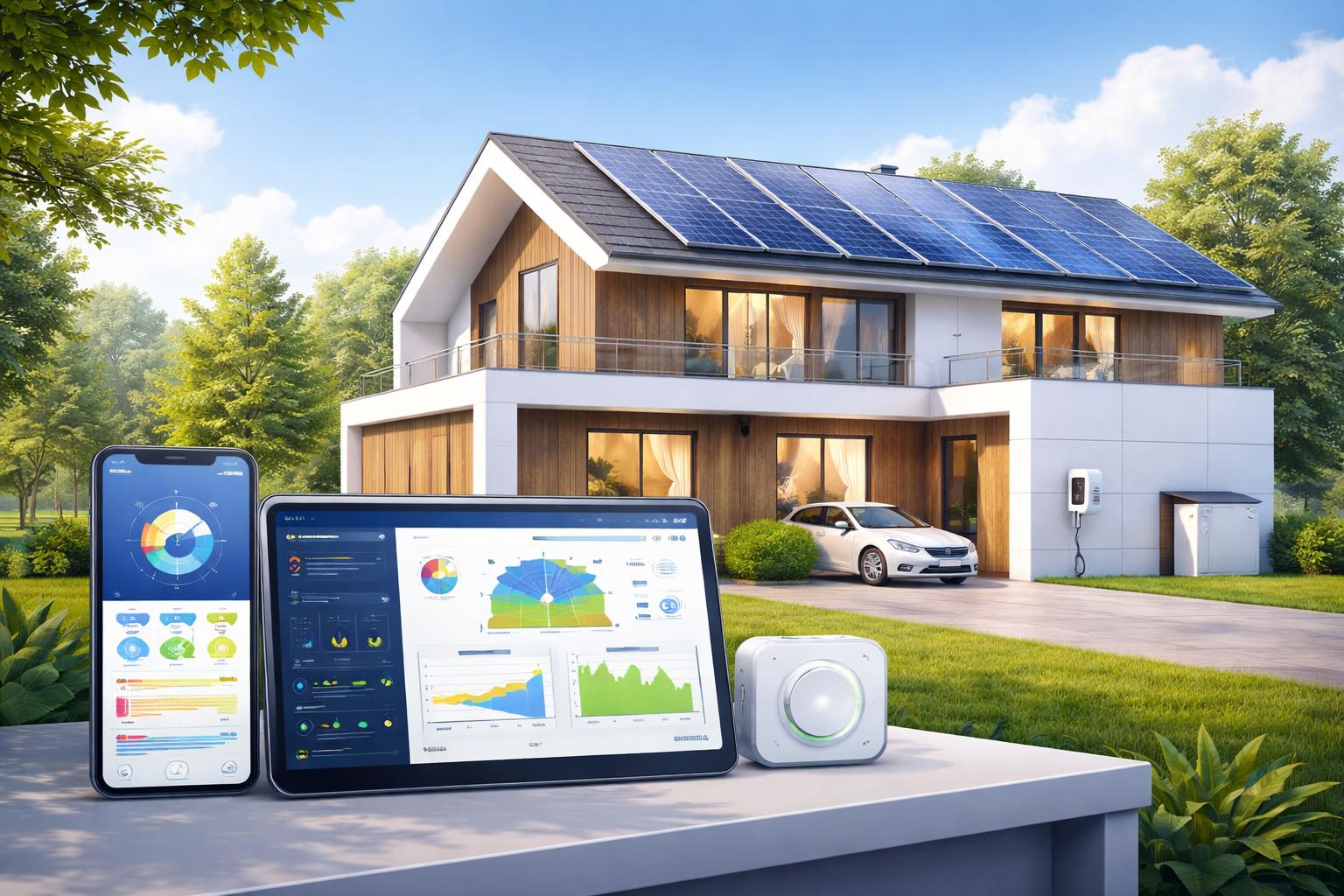
Top Integrated Smart Home Energy & Solar Monitoring Systems for Beginners
You've installed solar panels, or you're thinking about it, but you still get those surprisingly high electricity bills each month. It's frustrating when you're trying to save money and be more efficient, but you can't easily see where all that energy goes or how much your solar system is actually contributing.
You want to understand your home's energy use, make smart choices, and truly benefit from your investment in solar, but the world of energy monitoring can feel overwhelming. What you need is a system that brings everything together, shows you clear data, and helps you take control without needing an engineering degree.
Understanding Integrated Smart Home Energy Monitoring for Beginners
An integrated smart home energy and solar monitoring system is essentially a central brain for your home's electricity. It connects directly to your solar panels, your battery storage (if you have one), and your main electrical panel. This allows it to track exactly how much electricity your solar panels produce, how much you consume, how much goes back to the grid, and how much your battery stores or uses.
For beginners, the main goal is simplicity. You want to open an app and see a clear picture: "My solar produced this much today," "My house used this much," and "I still have this much battery left." This real-time data helps you make smarter decisions, like running the dishwasher when solar production is highest or understanding which appliances are energy hogs.
These systems aren't just about pretty graphs. They help you save money by maximizing your self-consumption of solar energy and avoiding high electricity rates during peak hours. They also offer peace of mind, letting you know your home is efficiently powered, and can even provide essential backup power during outages. Think of it as putting your home's energy on a budget, and then giving you all the tools to stick to it.
SolarEdge Energy Hub Inverter System
The SolarEdge Energy Hub Inverter System is best for homeowners who want to get the most efficiency from their solar panels, especially if parts of their roof experience shading throughout the day. SolarEdge uses power optimizers attached to each solar panel, which helps individual panels perform their best, even if others are shaded or dirty.
This system brings together solar power generation, battery storage, and smart energy management under one unified platform. You manage everything through the intuitive MySolarEdge app, which provides detailed insights into your energy production, consumption, and battery status. It even allows you to set preferences for how you want your battery to operate, like prioritizing self-consumption or charging from the grid during off-peak hours.
One real limitation of SolarEdge is its reliance on proprietary optimizers. This means you are typically tied into the SolarEdge ecosystem for all your main solar components, which might limit flexibility if you ever wanted to mix and match parts from other brands. However, for a beginner looking for a single, comprehensive solution, this tight integration can actually be a benefit.
Enphase Energy System
The Enphase Energy System is ideal for homeowners who prefer a modular and highly reliable solar setup, especially if they anticipate expanding their system over time. Enphase uses microinverters, which are small devices placed under each solar panel. This design means that if one panel has an issue, the rest of your system keeps working perfectly.
The core of the Enphase system is its IQ Gateway, which monitors your solar production and home energy consumption. When paired with Enphase IQ Batteries and the IQ System Controller, it creates a complete home energy management solution. The Enphase App provides clear data on production, consumption, and battery charge, allowing you to track energy flow in real-time. You can see how much solar you're generating, how much you're using, and how much backup power you have available.
A common mistake readers make is thinking they can simply add any battery to an Enphase system. While Enphase offers a modular approach, its batteries are specifically designed to work with its microinverter technology. This means that expanding with non-Enphase battery solutions can be complex or impossible. Another limitation is that professional installation is absolutely essential for these systems, as they involve complex wiring and safety protocols.
Tesla Powerwall
The Tesla Powerwall app manages a comprehensive system best suited for homeowners who are already committed to, or considering, a Tesla solar system. It offers a sleek, integrated solution that combines solar generation, battery storage, and intuitive monitoring all within the Tesla ecosystem.
Powerwall's strength lies in its ability to automatically detect power outages and seamlessly switch your home to battery power. The Tesla app gives you clear insights into your home's energy usage, solar production, and Powerwall charge level. You can set preferences, such as prioritizing self-powering your home, or charging the battery during off-peak hours when electricity is cheaper, and then using that stored energy later.
One real limitation of the Tesla Powerwall is its tight integration within the Tesla ecosystem. While this offers a very streamlined experience for existing Tesla users, it can be less flexible if you want to integrate with other smart home devices or different brands of solar panels or batteries. You're largely committing to the Tesla way of doing things, which might not suit everyone's desire for an open smart home platform.
Generac PWRcell Solar Battery Storage System
The Generac PWRcell solar battery storage system is best for homeowners primarily concerned with reliable backup power during outages, alongside optimizing their solar energy use. Generac is well-known for its generators, and the PWRcell system brings that expertise into the solar and battery storage world, offering a robust solution.
The PWRcell system includes an inverter and modular battery cabinets, allowing you to customize the amount of storage you need. It intelligently manages solar production, battery storage, and utility power, prioritizing your home's needs and helping to reduce your electricity bills. The Generac PWRview app gives you insights into your energy production, consumption, and backup status, helping you understand your home's energy flow.
While the Generac PWRcell is a powerful and dependable system, particularly for backup, its monitoring app can sometimes feel less modern or intuitive compared to competitors. The initial investment can also be higher, reflecting the system's robust construction and focus on whole-home backup capabilities. However, for those valuing reliability and a comprehensive backup solution, it's a strong contender.
What to Look For Before You Buy
- Ease of Use: Look for a system with a simple, clear mobile app that shows your energy data in an easy-to-understand way. You shouldn't need a manual just to check your daily solar production.
- Integration with Existing Setup: If you already have solar panels, confirm the new monitoring or battery system is compatible with your current inverter. Not all systems play nicely together.
- Monitoring Features: Decide if you need basic whole-home monitoring or if you want more detailed insights, like tracking individual appliance usage (which often requires additional smart plugs).
- Scalability: Consider if you might want to add more solar panels or battery capacity in the future. Some systems are more modular and easier to expand than others.
- Customer Support and Warranty: Research the company's reputation for customer service and understand the warranty for all components, especially the inverter and battery.
Comparison Table
| System | Best For | Key Feature | Limitation |
|---|---|---|---|
| SolarEdge Energy Hub | Homes with shading, maximizing panel efficiency | Panel-level power optimizers, unified platform | Tied to SolarEdge proprietary components |
| Enphase Energy System | Modular expansion, high reliability | Microinverters for panel independence | Requires specific Enphase batteries for expansion |
| Tesla Powerwall | Existing or new Tesla solar customers | Seamless outage protection, sleek app | Tightly integrated within Tesla ecosystem |
| Generac PWRcell | Reliable whole-home backup, customizable storage | Robust construction, generator heritage | Higher initial cost, app can be less polished |
Who Should Buy This
The Energy Saver
You're always looking for ways to reduce your carbon footprint and, more importantly, your monthly electricity bill. You want precise data to understand where your energy goes so you can adjust your habits, like running appliances during peak solar production or off-peak utility hours. You're motivated by knowing exactly how much you're saving and making the most of your solar investment.
The Power-Outage Prepper
Living in an area prone to power outages, you need a system that not only provides backup power but also clearly shows you how much energy you have left and how long it might last. You want the peace of mind that comes from knowing your essential appliances will stay on, and you appreciate real-time visibility into your home's energy independence.
The Tech-Curious Beginner
You're new to smart home technology but eager to understand and control your home's energy use without feeling overwhelmed by complex jargon. You appreciate an intuitive app and a system that simplifies energy management, guiding you towards smarter decisions with clear, actionable insights rather than forcing you to become an energy expert.
Frequently Asked Questions
How accurate is the monitoring data provided by these systems?
Most integrated solar and energy monitoring systems offer very high accuracy, typically within 1-2% of actual usage and production. This precision comes from direct connections to your solar inverters, batteries, and main electrical panel. The data is usually certified and designed to give you a trustworthy picture of your home's energy flow.
Do I need a new electrical panel to install one of these integrated systems?
Whether you need a new electrical panel varies significantly depending on your home's existing setup and the chosen system. Older homes or those with smaller panels might require an upgrade to safely accommodate the new inverter and battery connections. Your certified installer will assess your current electrical panel during the site visit to determine any necessary modifications or upgrades.
Can these systems help me control individual appliances in my home?
While these integrated systems provide detailed energy monitoring for your whole home or specific circuits, most do not directly control individual smart appliances. Their primary focus is on managing solar generation, battery storage, and overall home consumption. For individual appliance control, you would typically need additional smart plugs or a dedicated smart home hub that integrates with your chosen devices, such as those discussed in What’s the Best Smart Thermostat for Maximizing Energy Savings in Winter?.
What happens to my energy data from these monitoring systems?
Your energy data is typically stored securely by the system manufacturer and accessible only through your personal account via their app or web portal. Reputable companies use encryption and robust security measures to protect your information. They generally use aggregated, anonymous data for system improvements and statistical analysis, but your personal, identifiable data remains private.
Final Verdict
For beginners looking for the most integrated, efficient, and user-friendly experience, especially if you have parts of your roof that might experience shading, the SolarEdge Energy Hub Inverter System stands out. Its panel-level optimization ensures you're always getting the most from your solar, and its unified app simplifies the complex world of solar and battery management. It provides clear insights and a reliable path to understanding and controlling your home's energy. Start by consulting with a certified SolarEdge installer to see how it fits your home's specific needs.