
Disclosure: This article contains affiliate links. As an Amazon Associate, we earn from qualifying purchases at no extra cost to you.
What Smart Devices Do People Actually Use Most in 2026? A Beginner’s Guide
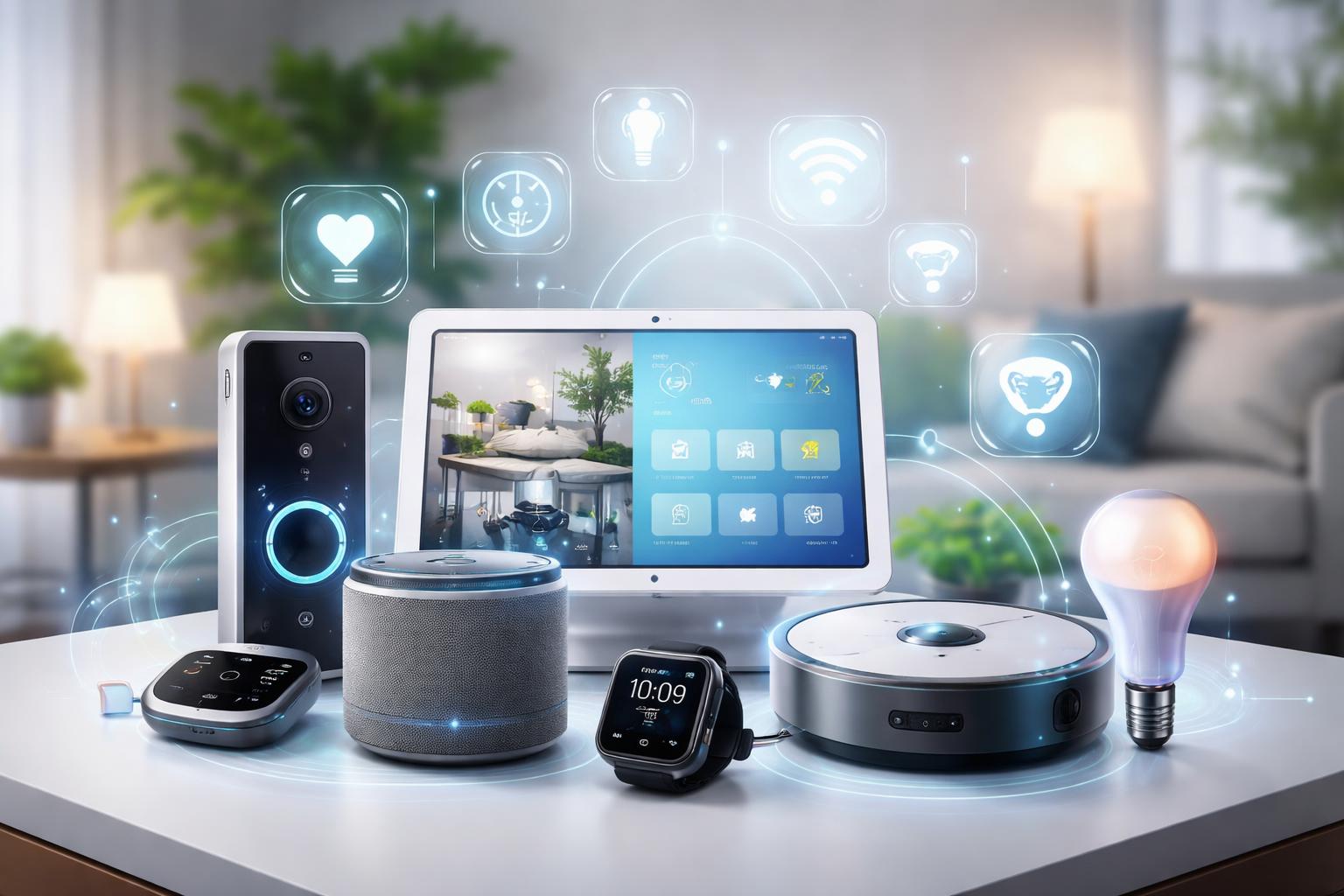
In 2026, the smart home landscape continues to evolve, but the devices people use most often are those that offer tangible, everyday convenience, enhance security, and save energy without complicated setups. The most widely adopted and frequently used smart devices are undeniably **smart speakers and displays, smart lighting, smart plugs, and smart security cameras/video doorbells.** These foundational technologies provide immediate benefits, integrate smoothly into daily routines, and serve as the cornerstone for any expanding smart home ecosystem, making them incredibly popular choices for both tech enthusiasts and everyday users looking to simplify their lives.
The world of smart home automation can seem daunting, filled with countless gadgets and technical jargon. However, getting started doesn’t have to be overwhelming. This guide will cut through the noise, focusing on the smart devices that truly deliver on their promise of convenience and utility, and are most likely to be at the heart of homes in 2026. Whether you’re looking to dip your toes into smart living or expand your current setup, understanding what people actually use and why is the best place to begin.
Smart Speakers & Displays: The Command Centers
At the core of many smart homes sits a smart speaker or smart display. These devices act as the central hub, allowing you to control other smart gadgets with your voice, play music, get news updates, set timers, and even make calls. Their versatility and ease of use make them indispensable for millions.
Smart Speakers: Audio-First Convenience
Smart speakers like the Amazon Echo Dot Smart Speaker have revolutionized how we interact with technology. Compact yet powerful, they bring the capabilities of a voice assistant into any room. From checking the weather while you get ready, to managing your calendar, or simply asking it to play your favorite playlist, smart speakers make hands-free control a reality. They are often the first smart device people buy, proving just how essential voice control has become in our daily lives. Their ability to integrate with countless other smart devices means they’re not just for playing music; they are the gateway to controlling your entire smart home.
Smart Displays: Visualizing Your Smart Home
Taking the smart speaker concept a step further, smart displays add a visual element that enhances functionality. Devices like the Google Nest Hub Smart Display offer all the voice-activated features of a smart speaker but with a screen that can show you recipe instructions, video calls, security camera feeds, weather forecasts, and even display your family photos. This visual feedback makes complex tasks simpler and provides an intuitive way to manage your smart home devices, view calendars, or watch video content directly from your kitchen counter or bedside table. For many, a smart display becomes the central dashboard for their digital life.
Smart Lighting: Setting the Mood and Saving Energy
Smart lighting has moved far beyond simple on/off switches. Today’s smart bulbs offer incredible flexibility, convenience, and energy savings, making them one of the most adopted smart home technologies.
Beyond On/Off: What Smart Lights Offer
Imagine walking into a room and the lights automatically adjust to your preferred brightness and color temperature, or dimming them with a simple voice command as you settle in for a movie. Philips Hue Smart Light Bulbs and similar systems allow you to control individual lights or groups of lights from anywhere using an app, or through your smart speaker. You can schedule them to turn on or off at specific times, mimic occupancy when you’re away for security, or choose from millions of colors to create the perfect ambiance for any occasion. This level of customization and control not only enhances your home’s atmosphere but can also contribute to significant energy savings by ensuring lights are only on when and where they’re needed.
Smart Plugs: Making “Dumb” Devices Smart
For anyone looking to introduce smart functionality to existing appliances without replacing them, smart plugs are a powerful tool. They are arguably one of the simplest and most cost-effective ways to kickstart your smart home journey.
The Power of Simplicity
A smart plug, like the TP-Link Kasa Smart Plug, turns any regular appliance into a smart device. Simply plug it into a wall outlet, and then plug your lamp, coffee maker, fan, or holiday lights into the smart plug. Suddenly, you can control that device remotely via an app on your smartphone, or with voice commands through your smart speaker. You can set schedules for it to turn on and off automatically, or even integrate it into smart home routines. Want your slow cooker to start cooking while you’re at work? Or your bedside lamp to turn on automatically at sunset? A smart plug makes it possible. They are incredibly versatile and allow users to enjoy the benefits of automation without a significant investment in new smart appliances. For example, another TP-Link Kasa Smart Plug could power your fan on hot afternoons, ensuring your room is cool before you even arrive home.
Smart Security: Peace of Mind, Always On
Security is a paramount concern for many homeowners, and smart security devices offer unparalleled peace of mind. These devices allow you to monitor your home from anywhere, receive alerts, and even interact with visitors or intruders remotely.
Video Doorbells: Your Front Door Guardian
Video doorbells, such as the Ring Video Doorbell, have become incredibly popular, often serving as the first foray into smart security for many households. These devices replace your traditional doorbell, allowing you to see, hear, and speak to anyone at your front door from your smartphone, even when you’re not home. Whether it’s a delivery person, a friend, or an unexpected visitor, you’re always connected. Many models also include motion detection, sending you alerts when someone approaches your property, providing an excellent deterrent for potential package thieves or unwanted guests.
Smart Cameras: Keeping an Eye on What Matters
Beyond the front door, smart security cameras – both indoor and outdoor – provide comprehensive surveillance. These cameras offer features like live streaming to your phone, motion detection alerts, two-way audio, and often local or cloud storage for recordings. They allow you to check in on pets, elderly family members, or simply monitor for suspicious activity around your property. With crystal-clear video and advanced analytics, smart cameras offer a robust layer of protection and comfort, ensuring you’re always aware of what’s happening at home.
Beyond the Basics: Emerging Trends and Niche Devices
While the core devices mentioned above form the backbone of most smart homes, the ecosystem is vast and ever-growing. In 2026, we also see increasing adoption of devices that address specific needs or offer deeper levels of automation.
* **Smart Thermostats:** Learning your preferences and adjusting temperatures to optimize comfort and energy usage automatically.
* **Robot Vacuums:** Automating daily cleaning routines, often controlled via apps or voice commands.
* **Smart Blinds/Shades:** Adjusting natural light and privacy, and contributing to climate control.
* **Smart Appliances:** Refrigerators that track inventory, ovens that preheat remotely, and washing machines that notify you when cycles are complete.
While these devices enhance specific aspects of home living, their adoption tends to follow the establishment of a core smart home system built around speakers, lights, plugs, and security.
Comparison of Popular Smart Home Categories
To help you visualize the primary benefits and common usage of the most popular smart home device categories, here’s a quick comparison:
| Device Category | Primary Function | Key Benefits | Common Use Cases |
|---|---|---|---|
| Smart Speakers/Displays | Voice control hub & information center | Hands-free control, centralized management, entertainment, communication | Playing music, setting alarms, controlling lights, checking weather, video calls |
| Smart Lighting | Illumination control & ambiance | Energy savings, mood setting, security (mimicking occupancy), convenience | Scheduling lights, changing colors, dimming, turning lights on/off remotely |
| Smart Plugs | Convert “dumb” devices into smart ones | Cost-effective automation, remote control, scheduling, energy management | Controlling lamps, fans, coffee makers, holiday lights, small appliances |
| Smart Security (Doorbell/Camera) | Home monitoring & surveillance | Peace of mind, remote monitoring, deterring intruders, package theft prevention | Seeing who’s at the door, monitoring property, receiving motion alerts, two-way talk |
This table highlights how each category serves distinct, yet complementary, roles in creating a truly connected and intelligent living space.
Factors Driving Smart Device Adoption in 2026
Several factors contribute to the continued widespread use and growth of these particular smart devices:
* **Ease of Use:** Many modern smart devices are designed for plug-and-play simplicity, making them accessible to a broader audience.
* **Seamless Integration:** The ability of devices to work together within ecosystems (like Google Home or Amazon Alexa) makes the smart home experience more fluid and powerful.
* **Tangible Benefits:** Users clearly see the value in enhanced security, energy savings, and daily convenience these devices offer.
* **Evolving Technology:** Continuous improvements in voice recognition, AI, and connectivity make smart devices more reliable and efficient.
* **Increased Affordability:** As technology matures, the cost of entry-level smart devices becomes more accessible, encouraging wider adoption.
Tips for Beginners Starting Their Smart Home Journey
If you’re considering diving into the smart home world, here are a few pointers:
1. **Start Small:** Don’t try to automate your entire home overnight. Pick one area or function that matters most to you, perhaps smart lighting in your living room or a smart speaker in your kitchen, and build from there.
2. **Consider an Ecosystem:** Decide whether you prefer Amazon Alexa, Google Home, or Apple HomeKit. Sticking primarily to one ecosystem often ensures better compatibility and a more unified experience.
3. **Prioritize Security and Privacy:** Always use strong, unique passwords for your smart devices and Wi-Fi network. Be mindful of the data devices collect and adjust privacy settings as needed.
4. **Think About Connectivity:** Ensure your home Wi-Fi network is robust enough to handle multiple smart devices. For larger homes, a mesh Wi-Fi system might be beneficial.
5. **Focus on Your Needs:** What problems are you trying to solve? More convenience? Better security? Energy savings? Let your needs guide your purchases rather than buying gadgets for the sake of it.
Frequently Asked Questions (FAQ)
Q1: Are smart devices complicated to set up?
Most popular smart devices are designed with user-friendliness in mind. Many simply require plugging them in, downloading an app, and following a few on-screen instructions to connect them to your home Wi-Fi and smart assistant.
Q2: Do I need a central hub for all my smart devices?
While a smart speaker or display often acts as a central control point for voice commands, many smart devices can function independently with their own apps. However, for advanced automation and seamless integration, having a main hub or choosing devices within the same ecosystem (like Amazon Alexa or Google Home) is highly recommended.
Q3: What about privacy and security with smart devices?
Security and privacy are valid concerns. Reputable brands prioritize these aspects with encryption and regular software updates. Users should always use strong passwords, enable two-factor authentication where available, and be aware of a device’s privacy settings. It’s also wise to research a brand’s reputation for security before purchasing.
Q4: Can smart devices save me money?
Yes, many smart devices are designed to save you money in the long run. Smart lighting and smart plugs can reduce electricity consumption by allowing you to schedule usage and turn off devices remotely. Smart thermostats can optimize heating and cooling, leading to lower energy bills. The initial investment can often be offset by these ongoing savings.
Q5: Will my smart devices work with each other if they are from different brands?
Compatibility varies. Many devices are designed to work across different ecosystems, often labeled with “Works with Alexa,” “Works with Google Home,” or “HomeKit compatible.” However, some devices may only function within their own brand’s ecosystem. Always check for compatibility before purchasing to ensure your devices can communicate and automate effectively.
Conclusion
In 2026, the smart home is less about futuristic dreams and more about practical, everyday enhancements. The devices people actually use most are those that simplify tasks, provide peace of mind, and offer clear value. Smart speakers and displays, smart lighting, smart plugs, and smart security systems stand out as the cornerstones of the modern smart home. By starting with these foundational technologies and understanding their benefits, you can effortlessly embark on your smart home journey, creating a more convenient, secure, and energy-efficient living space tailored to your unique needs.