
Disclosure: This article contains affiliate links. As an Amazon Associate, we earn from qualifying purchases at no extra cost to you.
How to Start Your Smart Home in 2026: Essential Devices for Beginners
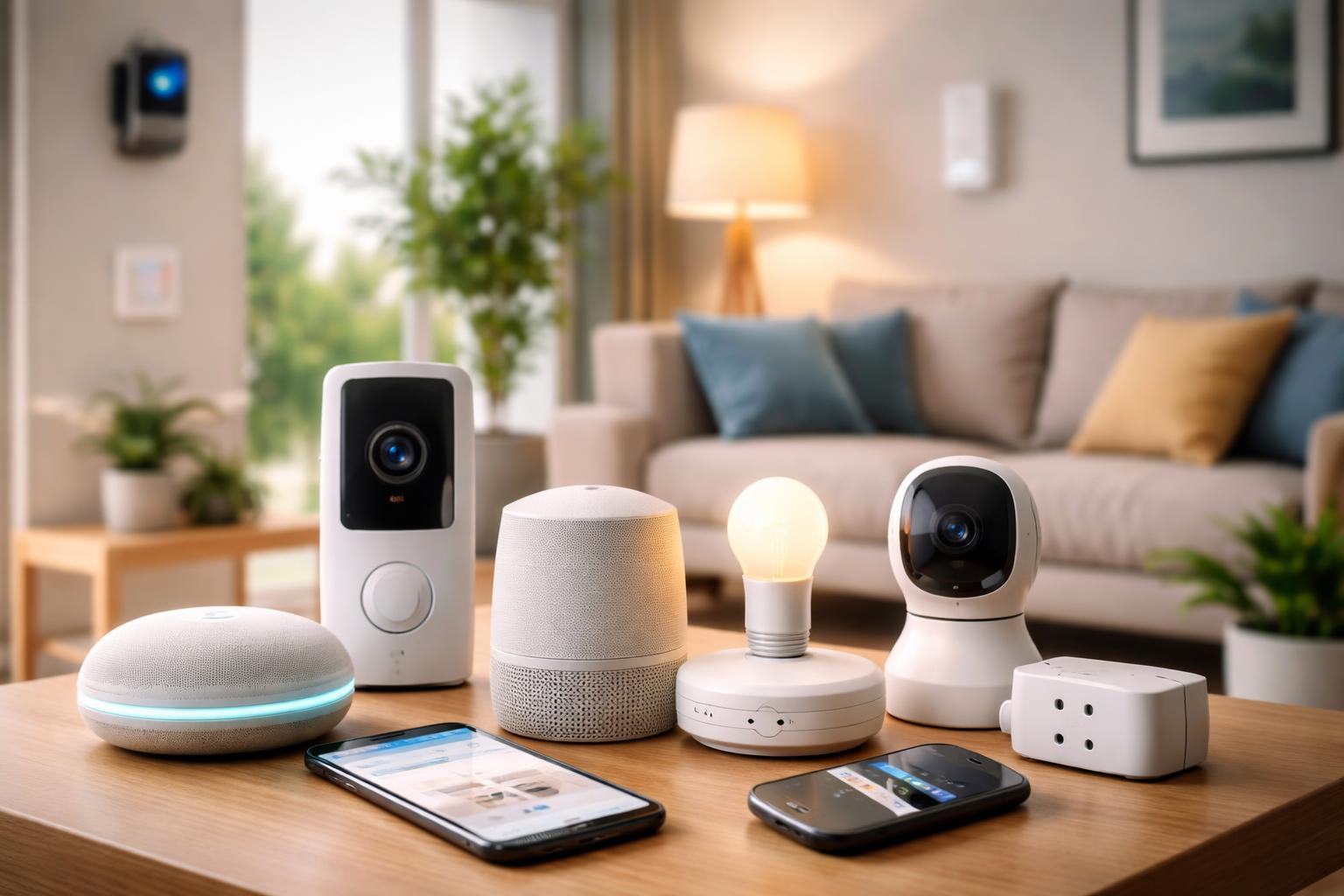
Starting your smart home journey in 2026 is simpler and more accessible than ever before, thanks to advancements in technology and broader compatibility. To begin, you’ll want to focus on a foundational device like a smart speaker to act as your central controller, then gradually add essential components such as smart lighting, smart plugs, and a smart video doorbell to enhance convenience, security, and energy efficiency throughout your living space. The key is to start small, understand your needs, and choose devices that can easily integrate into a growing ecosystem.
Why Start a Smart Home in 2026?
The landscape of home automation has matured significantly, making 2026 an opportune time for beginners to dive in. What was once considered complex and futuristic is now intuitive and practical, offering tangible benefits that improve daily life. Imagine waking up to lights that gently brighten, having your coffee machine turn on automatically, or checking on your front door from anywhere in the world – these are just a few conveniences a smart home provides. Beyond mere comfort, smart homes offer enhanced security, allowing you to monitor your property with ease, and improved energy management, helping you reduce utility consumption without sacrificing convenience. The ongoing evolution of standards like Matter ensures better interoperability, meaning devices from different brands can communicate more smoothly, simplifying the setup process for newcomers.
The Foundation: Your Smart Home Hub
Every smart home needs a brain, a central command center that allows your various devices to communicate and work together. For beginners, the most user-friendly and popular starting point is often a smart speaker with a built-in voice assistant. These devices not only play music and answer questions but also serve as your primary interface for controlling other smart gadgets through voice commands. They simplify automation, making complex actions feel effortless. Choosing the right smart speaker lays the groundwork for your entire ecosystem, as it often dictates which other devices will integrate most smoothly.
Voice Assistant Showdown: Amazon Alexa vs. Google Assistant
When it comes to voice assistants that double as smart home hubs, Amazon Alexa and Google Assistant are the two dominant players. Both offer a robust ecosystem of compatible devices, rich feature sets, and continuous updates that expand their capabilities. Your choice between them often comes down to personal preference, existing tech affiliations, and the specific features that resonate most with your lifestyle.
Amazon Alexa, powered by devices like the Amazon Echo Dot Smart Speaker, is renowned for its vast array of “skills” – voice-activated apps that extend its functionality. It integrates smoothly with a wide range of smart home products from countless manufacturers, offering extensive control over lighting, thermostats, security cameras, and more. Alexa is often praised for its intuitive command structure and ability to perform complex routines with simple phrases.
Google Assistant, found in devices such as the Google Nest Mini Smart Speaker, leverages Google’s powerful search capabilities, making it exceptional at answering questions and providing contextual information. Its integration with Google’s services, like Calendar and Maps, can be a major draw for users already deeply embedded in the Google ecosystem. Google Assistant also boasts strong smart home capabilities, with excellent device compatibility and a natural conversational style that allows for more nuanced commands.
Both platforms offer multi-room audio, intercom features, and the ability to set up routines that automate multiple actions with a single command or on a schedule. The decision often hinges on which interface feels more comfortable and which ecosystem aligns better with any existing smart devices or services you already use.
| Feature | Amazon Echo Dot (Alexa) | Google Nest Mini (Google Assistant) |
|---|---|---|
| Primary Voice Assistant | Amazon Alexa | Google Assistant |
| Smart Home Ecosystem | Extensive, wide range of compatible devices (Skills) | Extensive, strong integration with Google services |
| Voice Control | Intuitive commands, vast “skill” library | Natural language processing, contextual understanding |
| Music & Audio | Supports major streaming services, multi-room audio | Supports major streaming services, multi-room audio |
| Daily Utilities | Reminders, alarms, news, weather, shopping lists | Reminders, alarms, news, weather, calendar, personalized info |
| Intercom Functionality | Announcements to other Echo devices | Broadcasts to other Nest/Google Home devices |
Smart Lighting: Setting the Mood and Saving Energy
Once you have your smart home’s brain in place, smart lighting is often the next logical step for beginners. It’s an immediate and impactful upgrade that offers both convenience and aesthetic appeal. No more fumbling for light switches in the dark; with smart lights, you can control your illumination with voice commands, a tap on your phone, or even based on your daily schedule. This level of control not only adds a layer of sophistication to your home but can also contribute to significant energy savings by allowing you to dim lights or turn them off automatically when not needed.
Getting Started with Smart Bulbs
For a seamless entry into smart lighting, smart bulbs are the way to go. They simply screw into your existing light fixtures, making installation incredibly easy. Many smart bulbs offer a spectrum of features, from simple on/off and dimming capabilities to full-color changing options that can transform the ambiance of any room. You can group multiple bulbs to control an entire room with a single command, set schedules for them to turn on or off at specific times, or even link them to motion sensors for automated lighting when you enter a room.
Brands like Philips Hue Smart Bulbs are highly regarded for their robust ecosystem and vibrant color reproduction. They offer a wide range of products, including standard bulbs, light strips, and even outdoor lighting. While some smart bulbs connect directly to your Wi-Fi, others, like many Hue products, utilize a bridge (or hub) for enhanced performance and reliability, especially when controlling multiple lights. Regardless of the connection method, the convenience of controlling your lighting from anywhere, or simply by speaking a command, makes smart bulbs an essential component of a modern smart home. Whether you want to set a cozy evening glow, a bright workspace light, or dynamic colors for a party, smart bulbs provide unparalleled flexibility. Another excellent choice for dependable smart lighting are additional Philips Hue Smart Bulbs.
Smart Plugs: Making “Dumb” Devices Smart
One of the most cost-effective and versatile ways to expand your smart home capabilities is through smart plugs. These ingenious devices plug into any standard wall outlet, and then you plug your existing “dumb” appliances or lamps into them. Suddenly, those traditional devices become smart, gaining the ability to be controlled remotely via your smartphone or through voice commands via your smart speaker. Smart plugs are an excellent way to dip your toes into smart home automation without replacing all your beloved appliances.
The possibilities with smart plugs are extensive. Imagine automatically turning on your coffee maker 10 minutes before your alarm goes off, ensuring a fresh brew awaits you. Or perhaps you want to remotely turn off a curling iron you forgot to unplug, offering peace of mind when you’re away from home. Seasonal decorations, floor lamps, fans, humidifiers, and even device chargers can all be made smart with these simple adapters. Many smart plugs also include scheduling features, allowing you to set specific times for devices to power on or off, and some even offer energy monitoring so you can track the power consumption of connected appliances.
A popular choice for reliability and ease of use are TP-Link Kasa Smart Plugs. They typically connect directly to your home Wi-Fi network, eliminating the need for a separate hub, and integrate smoothly with both Amazon Alexa and Google Assistant. This makes them incredibly simple to set up and manage, even for complete beginners. For those looking to automate multiple devices around the house, incorporating additional TP-Link Kasa Smart Plugs is a simple and impactful upgrade. They transform everyday items into smart devices, offering a world of convenience and control.
Smart Security: Peace of Mind for Your Home
While convenience and ambiance are great, one of the most compelling reasons to build a smart home is for enhanced security. Knowing your home is protected, whether you’re there or away, provides invaluable peace of mind. Smart security devices offer a range of features, from basic monitoring to proactive alerts and deterrents, all accessible from your smartphone. For beginners, integrating a smart video doorbell is an excellent first step into securing your home intelligently.
Video Doorbells: Your Front Door Guardian
A smart video doorbell fundamentally changes how you interact with your front door. Instead of just a simple chime, these devices provide a live video feed, two-way audio communication, and motion detection directly to your phone, no matter where you are. This means you can see who’s at your door, speak to them, and even deter unwanted visitors, all without having to be physically present.
The benefits are numerous. Package deliveries become less stressful, as you can instruct couriers where to leave items or even watch them being placed. Suspicious activity can be recorded and alerted to you instantly. Family members can be let in remotely if they forget their keys. Many video doorbells also offer night vision, cloud storage for recorded events, and customizable motion zones to reduce false alarms.
A leading option in this category is the Ring Video Doorbell. Ring products are known for their user-friendly design, reliable performance, and robust feature set, including crisp video, clear two-way talk, and seamless integration with Amazon Alexa. Installing a smart video doorbell provides an immediate and significant upgrade to your home’s security, offering visibility and control over one of its most vulnerable points.
Beyond the Basics: What’s Next?
Once you’ve established your core smart home with a voice assistant, smart lighting, smart plugs, and a video doorbell, you’ll likely find yourself eager to explore further automation. The beauty of a smart home is its modularity; you can expand at your own pace, adding devices that address specific needs or interests.
Consider smart thermostats, which learn your preferences and adjust temperatures automatically, saving energy and ensuring comfort. Smart locks offer keyless entry and the ability to grant temporary access to guests or service providers. Motion sensors can trigger lights or cameras when activity is detected, while door and window sensors provide alerts if an entry point is breached. Smart blinds or curtains can automate your window coverings, offering privacy and light control throughout the day. Each new device you add contributes to a more connected, responsive, and intelligent living environment.
Building Your Smart Home Ecosystem: Compatibility and Planning
As you venture deeper into smart home automation, understanding the concept of an “ecosystem” becomes crucial. Your smart home is more than just a collection of devices; it’s a network where each component ideally works in harmony with the others. This seamless integration is primarily driven by compatibility. When choosing new devices, always verify that they are compatible with your existing smart home hub (like your Amazon Echo or Google Nest Mini) and potentially with common smart home protocols such as Wi-Fi, Bluetooth, Zigbee, Z-Wave, or the increasingly important Matter standard. Matter is designed to simplify compatibility across different brands and ecosystems, making it easier than ever for devices to communicate, which is a significant advantage for those building a smart home in 2026.
Starting with a plan, even a simple one, can save you headaches down the line. Think about which areas of your home you want to automate first and what problems you want to solve. Do you want to save energy, enhance security, or simply add convenience? By starting small with foundational devices and gradually expanding, you can test what works best for your lifestyle and avoid feeling overwhelmed. This iterative approach allows you to learn as you go, ensuring each new addition genuinely enhances your smart home experience.
Tips for a Smooth Smart Home Journey
Embarking on your smart home journey should be an exciting and rewarding experience. To ensure it’s as smooth as possible, keep these practical tips in mind:
- Start with a Plan: Before buying devices, consider your needs and how you envision using smart technology. Prioritize areas that offer the most benefit to your daily routine.
- Read Reviews: Always research products thoroughly. User reviews and expert opinions can provide valuable insights into a device’s reliability, ease of use, and compatibility.
- Check Compatibility: This is paramount. Ensure any new device you consider buying works with your chosen smart home hub (Amazon Alexa or Google Assistant) and other existing smart devices. Look for “Works with Alexa” or “Works with Google Assistant” labels.
- Consider Your Internet Connection: A stable and relatively fast Wi-Fi network is the backbone of most smart homes. Ensure your router can handle multiple connected devices, especially if you plan to expand significantly.
- Prioritize Privacy and Security: Be mindful of the data your smart devices collect. Use strong, unique passwords for all accounts, enable two-factor authentication where available, and keep your device firmware updated to patch any vulnerabilities.
- Don’t Be Afraid to Experiment: Smart homes are dynamic. Play with routines, try different settings, and discover new ways your devices can work together to make your life easier and more enjoyable.
Frequently Asked Questions (FAQ)
Is smart home technology difficult to set up for beginners?
No, quite the opposite! Many smart home devices, especially those recommended for beginners like smart speakers, bulbs, and plugs, are designed for easy plug-and-play installation. Most setups involve downloading an app, connecting to your Wi-Fi, and following simple on-screen instructions. Voice assistants further simplify control, making automation accessible to everyone.
Do all smart devices work together smoothly?
While compatibility has significantly improved, especially with the emergence of standards like Matter, it’s still essential to check. Devices typically work best within their own ecosystems (e.g., all Alexa-compatible devices with an Echo hub) or across platforms that explicitly state compatibility. Always look for “Works with Alexa” or “Works with Google Assistant” labels to ensure smooth integration.
Is smart home technology secure?
Smart home security is a significant concern for manufacturers, and most reputable brands implement robust security measures. However, your home’s digital security ultimately depends on best practices like using strong, unique passwords, enabling two-factor authentication, keeping device firmware updated, and being mindful of the data you share. Choose trusted brands and be cautious about granting excessive permissions.
Can I use smart devices without a central hub or smart speaker?
Some smart devices, particularly those that connect directly to your home Wi-Fi (like many smart bulbs and plugs), can be controlled solely via their dedicated smartphone app. However, a smart speaker or hub significantly enhances the experience by enabling voice control, creating routines, and allowing multiple devices from different brands to work together more cohesively.
How important is my home Wi-Fi for smart devices?
Extremely important. Most smart home devices rely on your home Wi-Fi network to communicate with each other and with the internet. A stable, reliable, and adequately strong Wi-Fi signal throughout your home is crucial for optimal performance, ensuring devices respond quickly and consistently to your commands.
Conclusion
Starting your smart home journey in 2026 is an exciting and accessible endeavor. By beginning with a smart speaker as your central command, and then adding foundational devices like smart lighting, versatile smart plugs, and a reassuring video doorbell, you can gradually transform your living space into a more convenient, secure, and energy-efficient environment. Remember to prioritize compatibility, plan your expansion, and enjoy the process of discovering how smart technology can enhance your daily life. The future of your home is smart, and it’s easier to build than you think.